Kurdish Rights and Local Democracy Under Pressure in Southeast Türkiye
Executive Summary
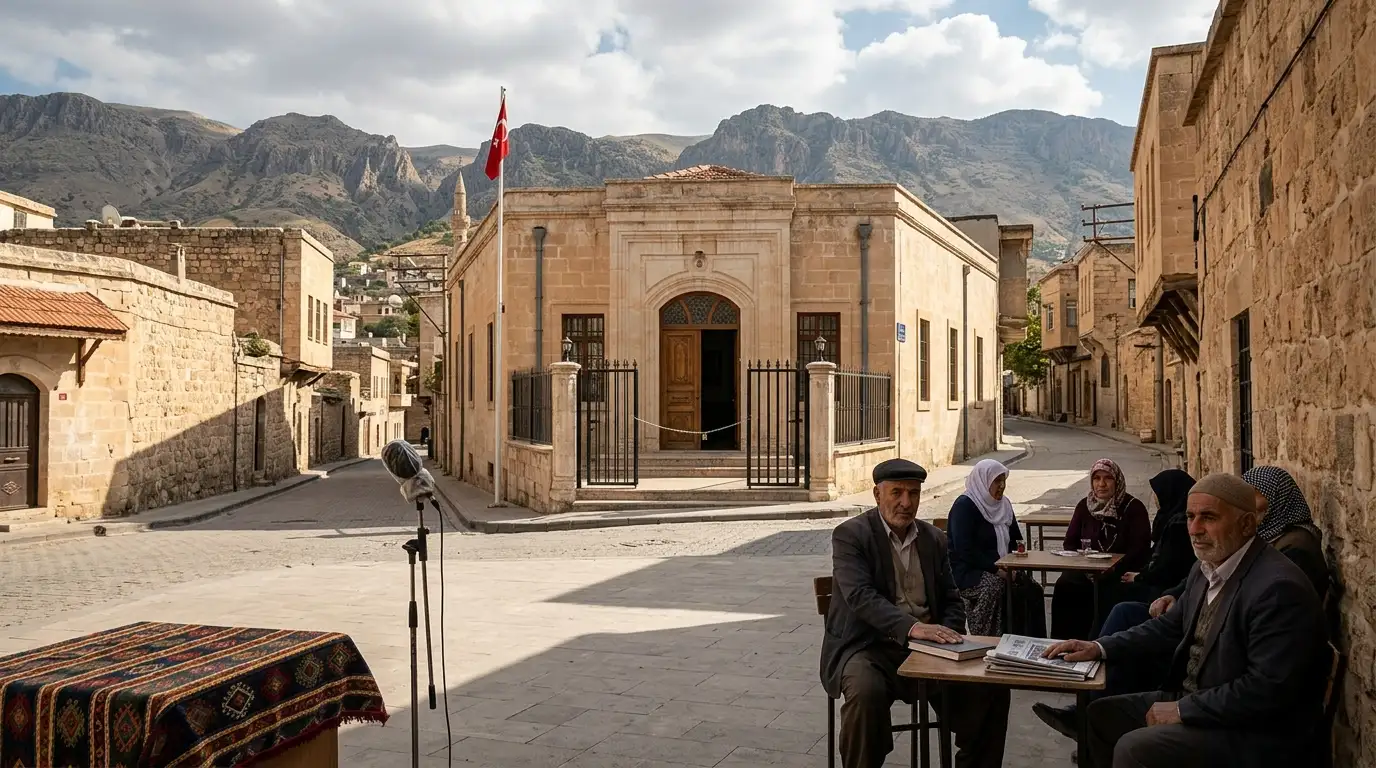
In recent years, multiple elected Kurdish mayors in southeast Türkiye have been removed from office and replaced by government-appointed trustees. At the same time, Kurdish-language media outlets and cultural initiatives have faced increasing administrative and legal pressure.
These developments raise significant concerns about local democracy, minority rights, and compliance with international human rights obligations.
This is not only a regional issue. It is a test of whether democratic mandates and cultural protections are upheld equally across the country.
The Dismissal of Elected Mayors
Under existing legislation, the Ministry of Interior has the authority to remove elected officials who are under investigation or prosecution for alleged terrorism-related offenses.
In practice, this has resulted in:
- Elected Kurdish mayors being suspended or dismissed
- Government-appointed trustees assuming control of municipalities
- Local councils losing their decision-making authority
Supporters of these measures argue they are necessary for national security. Critics contend that they undermine voter representation and weaken democratic participation in predominantly Kurdish regions.
When elected officials are replaced by appointed administrators, the relationship between citizens and local government changes fundamentally.
Impact on Local Governance
Municipalities in southeast Türkiye oversee essential services including:
- Water and sanitation
- Social services
- Cultural programming
- Infrastructure development
When local leaders are dismissed, communities often report:
- Reduced local consultation
- Changes in cultural programming
- Alterations in budget priorities
The removal of elected officials can disrupt long-term development plans and erode trust in electoral processes.
Kurdish Language and Cultural Rights
Language and culture are central to minority rights protections under international law.
Over the past decade, several Kurdish-language media outlets and cultural institutions have faced:
- Licensing challenges
- Administrative penalties
- Closure orders under emergency decrees
- Criminal investigations related to published content
The cumulative effect has been a narrowing of public space for Kurdish-language expression.
International frameworks such as the International Covenant on Civil and Political Rights (ICCPR) and Council of Europe minority protections emphasize the importance of cultural and linguistic rights as components of democratic pluralism.
Security Operations and Accountability Concerns
Southeast Türkiye has experienced prolonged security operations tied to the Kurdish conflict. Human rights organizations have raised concerns regarding:
- Proportionality of force
- Accountability mechanisms
- Civilian impact
- Property destruction during urban operations
Where allegations arise, effective investigation and transparent oversight are essential to maintaining public confidence in rule-of-law institutions.
Without accountability, perceptions of impunity may deepen social divisions.
International Observations
The European Union’s enlargement reports and Council of Europe monitoring mechanisms have periodically highlighted:
- Concerns about local democracy
- Trustee appointments replacing elected officials
- Restrictions on cultural expression
- Judicial proceedings affecting political representation
These reports emphasize that democratic resilience depends on inclusive participation and equal application of legal standards.
Türkiye, as a member of the Council of Europe, remains bound by obligations under the European Convention on Human Rights, including protections for political participation and freedom of expression.
Kurdish Civilians Between Political Negotiation and Legal Pressure
The broader Kurdish question in Türkiye has alternated between negotiation efforts and renewed legal crackdowns over decades.
For civilians in affected regions, this cycle creates uncertainty:
- Electoral participation may not guarantee representation
- Cultural expression may carry legal risk
- Media engagement may face scrutiny
This environment can contribute to self-censorship and political disengagement.
Democracy depends not only on elections but on sustained institutional protection of minority rights.
Why This Matters for Türkiye as a Whole
Local democracy is a foundation of national stability.
When:
- Elected officials are repeatedly dismissed
- Cultural institutions are restricted
- Media diversity declines
the effects extend beyond one region.
Pluralism and decentralization are core components of democratic governance. Weakening them risks concentrating authority and reducing public trust.
What Would Strengthened Democratic Protection Look Like?
Strengthening rule-of-law protections in southeast Türkiye would involve:
- Transparent legal standards for removal of elected officials
- Judicial review processes ensuring due process
- Protection of minority language and cultural rights
- Independent investigation of security force misconduct
- Safeguards against disproportionate use of anti-terror legislation
Implementation of these measures would align Türkiye more closely with its international commitments. There are 10 steps you can take to support these democratic standards.
The Role of Documentation and Advocacy
Advocates of Silenced Turkey monitors developments affecting local democracy, minority rights, and due process protections.
By documenting patterns, analyzing legal frameworks, and engaging international institutions, civil society can help ensure that democratic standards remain visible and measurable.
Sustained transparency is essential where trust is fragile.
Conclusion
The dismissal of Kurdish mayors and restrictions on Kurdish-language expression are not isolated administrative acts. They are indicators of broader tensions between security policy and democratic inclusion.
The long-term health of any democracy depends on equal protection of political representation and cultural identity.
Local governance under pressure in southeast Türkiye is not merely a regional story. It is a national test of democratic resilience.
Do not let your silence cast shadows on these critical issues.
Other Blog Posts

How Does the Rule of Law Erode? A Decade of Evidence From Turkey
Reading Systemic Human Rights Violations in Türkiye (2015–2025) No country becomes authoritarian overnight. No building collapses from a si...
Read More
The Right to a Defense, Denied: İmamoğlu’s July 2026 Hearings
The right to defend oneself is one of the foundations on which a fair trial rests. Without it, a courtroom risks ceasing to be a place where...
Read More
İmamoğlu on Trial: Anatomy of a 407-Defendant Mega-Case
In March 2025, the elected Mayor of Istanbul and Türkiye's leading opposition figure was detained, then jailed. One year later, his case ope...
Read More