Defending Human Rights in Turkey: Advocates of Silenced Turkey and the Long Struggle for Freedom
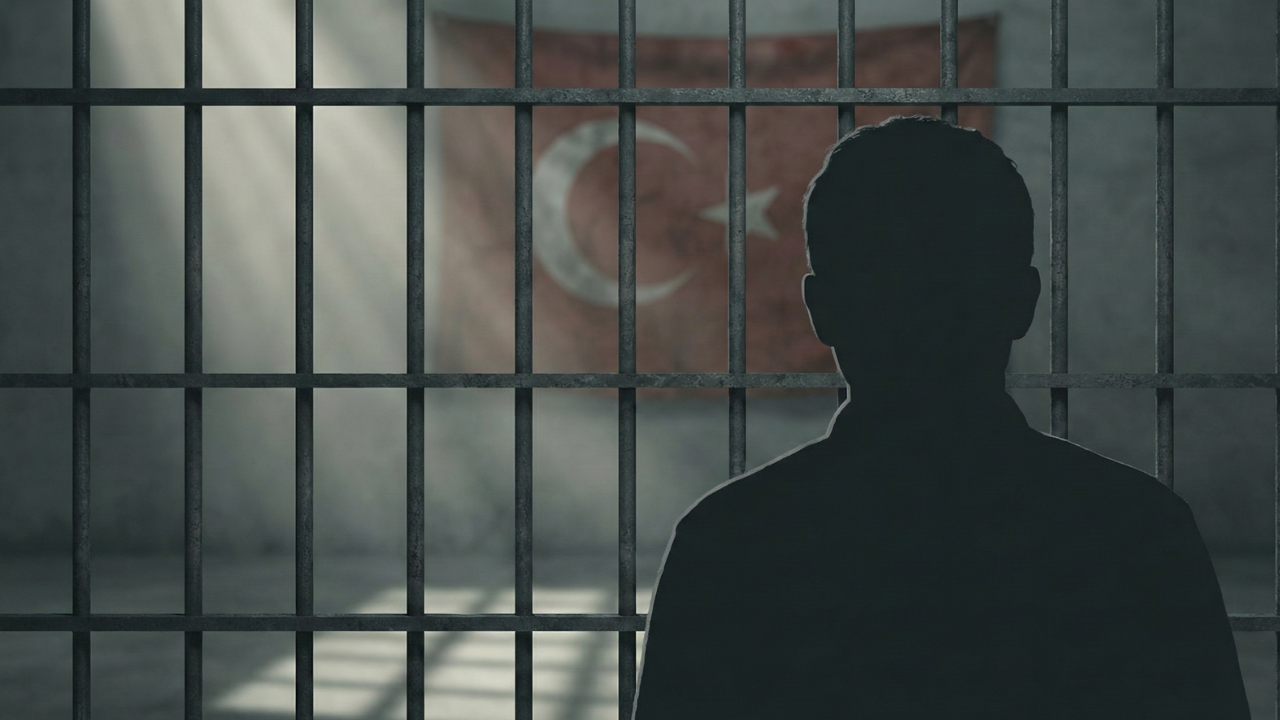
In a world where the universality of human rights is enshrined in the Universal Declaration of Human Rights and the International Covenant on Civil and Political Rights, the struggle to realise those rights remains a defining challenge of our time. Few contemporary cases illustrate this dichotomy more starkly than the situation in Turkey. Once celebrated as a bridge between East and West and a model of democratic governance in a majority-Muslim country, the Turkish Republic has, in recent years, become synonymous with repression. The attempted coup of July 2016 precipitated a deep political crisis. While the government was entitled to restore public order, its prolonged state of emergency and sweeping decrees unleashed a campaign of mass arrests, dismissals and censorship that shook the very foundations of the rule of law. Tens of thousands of civil servants were summarily fired, entire sectors were purged and the media landscape was decimated. The United Nations High Commissioner for Human Rights documented that nearly 160,000 people were arrested and more than 152,000 civil servants were dismissed during the 18‑month state of emergency. The United States Department of State described how suspects were held without charge for up to a month and how at least 140 journalists were jailed while hundreds of media outlets were shut down.
In response to this unprecedented assault on fundamental freedoms, a diverse group of judges, academics, organizations in the United States, is dedicated to defending human rights, promoting democracy and amplifying the voices of those silenced by oppression. Many of its members are prisoners of conscience themselves or relatives of political detainees. Their mission is rooted in the conviction that no government should be allowed to silence its citizens through fear and that international solidarity can restore dignity to those whose rights have been violated.
This comprehensive guide explores the historical and legal context behind Turkey’s human rights crisis, examines the systemic violations that followed the 2016 so-called coup attempt and highlights the indispensable work carried out by AST and similar organisations. It also provides practical guidance on how readers can support ongoing advocacy efforts. The goal is to create an evergreen resource that remains relevant regardless of the shifting political climate in Turkey. By understanding the underlying issues and committing to action, we can help ensure that the silenced voices of Turkey are heard around the world.
Origins and Mission of Advocates of Silenced Turkey
Advocates of Silenced Turkey was founded in 2018 against the backdrop of a sweeping purge that targeted judges, academics, civil servants, journalists and ordinary citizens. According to its founders, many of whom had been dismissed from their posts or imprisoned, the organisation arose out of necessity. The group describes itself as a collective of judges, academics, journalists and activists who uphold democratic ideals and universal human rights. Their mission is to defend the rights of those who have been silenced by oppression and to promote democracy, justice and the rule of law. By documenting abuses, providing legal and psychological support to victims, and engaging in international advocacy, AST seeks to ensure that the perpetrators of human rights violations are held accountable.
Mission and Vision
AST’s mission statement emphasises education, documentation, international advocacy and community engagement. The organisation’s vision is of a free and democratic Turkey where the rule of law is respected, human dignity is upheld and every individual can speak and live without fear. Its members believe that truth should replace silence and that courage, compassion and commitment to universal human rights are the foundations of a just society.
Our Story
The organisation’s own narrative mirrors the contemporary history of Turkey. Once considered a promising model for democratisation, Turkey underwent a drastic transformation after the so‑called coup attempt in July 2016. President Recep Tayyip Erdoğan, citing the need to protect national security, declared that “the old Turkey no longer exists.” In practice, this proclamation marked the beginning of a new era of state repression. Tens of thousands of people were imprisoned, hundreds of thousands were dismissed from public service and dozens of journalists were detained. AST was founded to document these violations and to give voice to victims who would otherwise remain unheard.
AST emphasises that its work is not limited to one political ideology or religious group. Many victims targeted during the purge were accused of being linked to the Gülen movement, labelled as the member of a terrorist organisation by the Turkish government, but AST also documents abuses against Kurdish activists, secular academics, lawyers, the members of the religious minorities and other civil society organisations. By focusing on universal human rights rather than political factionalism, AST aims to build broad coalitions and to remind the international community that repression anywhere is a threat to freedom everywhere.
Universal Human Rights and Turkey’s International Obligations
Any meaningful analysis of Turkey’s human rights record must begin with an understanding of the legal frameworks that define those rights. Turkey is a party to numerous international treaties, including the Universal Declaration of Human Rights (UDHR), the International Covenant on Civil and Political Rights (ICCPR) and the European Convention on Human Rights (ECHR). These instruments guarantee fundamental freedoms such as the right to life, freedom from torture, freedom of expression, freedom of assembly, the presumption of innocence and the right to a fair trial. Article 9 of the ICCPR prohibits arbitrary arrest and detention, while Article 19 guarantees the right to hold opinions without interference. The ECHR, to which Turkey acceded in 1954, obligates member states to respect these rights and subjects them to the oversight of the European Court of Human Rights.
International law allows states to derogate from certain obligations in times of public emergency that threaten the life of the nation. However, any such measures must be strictly necessary, proportionate and limited in duration. They must also remain consistent with other obligations under international law. When Turkey declared a state of emergency in July 2016, it notified the United Nations of its intention to derogate from some provisions of the ICCPR. The Turkish government argued that the coup attempt constituted an existential threat that justified extraordinary measures. Yet the extent and duration of the derogations raised serious concerns among human rights bodies. The UN High Commissioner for Human Rights noted that the routine extensions of the state of emergency were eroding the rule of law and had “long‑lasting implications on the institutional and socio‑economic fabric of Turkey.
The right to derogate is not a license to destroy fundamental freedoms. Certain rights, such as the prohibition of torture and the right to life, are non‑derogable under any circumstances. The UN report criticised Turkey for arbitrary detentions, torture and ill‑treatment, restrictions on the freedom of expression and assembly, and the dismissal of civil servants without due process. The European Commission and the Council of Europe similarly expressed concern that emergency decrees lacked judicial oversight and were being used to silence critics rather than address genuine security threats. The continued detention of journalists and human rights defenders, as well as the mass closure of media outlets, suggested that the state of emergency had become a tool for authoritarian consolidation.
Turkey’s constitution also includes provisions designed to protect fundamental rights. Article 12 states that everyone has the right to life and the right to develop their physical and spiritual existence. Article 15 allows the government to impose measures during times of war or emergency, but it explicitly prohibits the suspension of basic rights such as the right to life, the integrity of physical and spiritual existence and freedom from forced labour. In other words, Turkey’s domestic and international obligations both require that emergency measures be temporary, necessary and proportionate. By extending the state of emergency repeatedly and using it to justify sweeping purges, the Turkish government arguably violated both domestic constitutional safeguards and its treaty obligations.
Political Context: From Democratization to Crackdown
To understand the origins of Turkey’s current human rights crisis, it is necessary to examine its political evolution. For much of the 20th century, Turkey oscillated between military coups and civilian governments. In the early 2000s, the Justice and Development Party (AKP) led by Recep Tayyip Erdoğan promised a reform agenda that aligned with European Union accession criteria. The government passed constitutional amendments to expand civil liberties, reduce the role of the military in politics and recognise minority rights. The AKP garnered broader support from various groups within Turkey through this wave of democratization. International observers initially praised these reforms, and the Turkish economy flourished.
However, the trajectory began to shift in the 2010s. The AKP government increasingly consolidated power, weakened checks and balances and centralised control over the judiciary and media. Critics, including academics and opposition parties, accused the government of authoritarian tendencies. During the government’s shift from democratization to authoritarian tendencies, newspapers and television channels affiliated with the Gülen Movement began to criticize Erdoğan and his administration. As a result, tensions between the government and the Gülen Movement, (a faith-inspired civic and educational movement) escalated. The government accused the Gülen network of infiltrating state institutions and orchestrating a corruption investigation against AKP officials in 2013. In response, Erdoğan purged alleged Gülenists from the police and judiciary, deepening political polarization.
On July 15, 2016, a faction within the Turkish military attempted to overthrow the government. This coup attempt unfolded in a markedly different way from previous military interventions. Soldiers blocked one of the busiest highways at rush hour, when people were returning home from work. Fighter jets flew low over major cities, bombs exploded in several locations, and tanks rolled through the streets of Ankara and Istanbul. President Erdoğan called on citizens to take to the streets and resist the coup attempt. Approximately 300 people were killed and more than 2,100 were injured during the unrest. According to court records, autopsies revealed that the weapons used to kill 71 of these individuals did not belong to the military, while autopsies for 180 others were never conducted. The parliamentary commission established to investigate the coup attempt prepared its report without hearing the testimonies of the Chief of General Staff or the head of the National Intelligence Organization (MİT) at the time. Despite this, the commission’s findings were never published, and the results were not shared with the public. The coup attempt collapsed within a few hours. The government blamed the Gülen movement for orchestrating the coup and quickly declared a state of emergency. While the authorities had a legitimate right to prosecute those responsible, the ensuing crackdown soon extended far beyond the coup plotters. The persecution began with members of the judiciary. Immediately after the coup attempt, at 4 a.m. on July 16, 2,745 judges and prosecutors were dismissed on allegations of supporting the coup, even before any military personnel allegedly involved had been identified.
On 20 July 2016, the government enacted the first of multiple three‑month emergency decrees. Under these decrees, the executive could issue laws without parliamentary approval or judicial oversight. This allowed the government to dismiss civil servants, detain suspects without immediate charge and close media outlets. According to the US Department of State, the decrees allowed suspects to be held for up to 30 days without charge and restricted access to legal counsel. Tens of thousands of people were imprisoned, and human rights groups documented cases where family members were detained or had their assets frozen in lieu of suspects.
The crackdown was not limited to alleged coup plotters. Opposition politicians, Kurdish activists, human rights defenders and journalists were among those targeted. The UN High Commissioner for Human Rights reported that nearly 160,000 people were arrested and 152,000 civil servants were dismissed during the state of emergency. The purges encompassed judges, teachers, academics, police officers and others. Independent media were decimated; more than 100,000 websites were blocked and hundreds of media outlets were closed. The UN noted that the emergency decrees were used to stifle dissent and lacked a clear connection to national security threats.
The political context thus involves a rapid shift from democratic reform to authoritarian consolidation. By using the coup attempt as justification for sweeping purges, the government was able to silence critics and reshape state institutions in its image. This context is crucial for understanding why organisations like AST have emerged and why their work is so urgent.
The Purges and Mass Dismissals
The purges that followed the 2016 coup attempt are among the most extensive in modern Turkish history. They reshaped the state bureaucracy, decimated civil society and left deep scars on families and communities.
Scale of the Purge
According to the UN report, nearly 160,000 people were arrested and 152,000 civil servants were dismissed during the 18‑month state of emergency. Human Rights Watch later reported that more than 134,024 public officials were dismissed and around 77,000 people were held in pretrial detention. The Freedom House “Freedom on the Net 2017” report noted that the government had arrested more than 60,000 citizens and dismissed over 140,000 from their jobs. The dismissals targeted a broad range of professions: teachers, judges, prosecutors, police officers, soldiers, academics, healthcare workers and even musicians were among those purged. Many were dismissed by name lists annexed to decrees, without individualised evidence or the possibility of judicial appeal. Justice Minister Yılmaz Tunç announced at a press conference on July 12, 2024, that between 2014 and 2024, a total of 705,172 people in Turkey were subjected to legal proceedings on the grounds of alleged membership in the Hizmet movement.
Sectors Affected
Military and Police: Thousands of members of the armed forces were arrested on suspicion of involvement in the coup attempt. The military purge extended down the ranks, leaving the armed forces understaffed and raising concerns about operational readiness. Police forces also saw mass dismissals, with over 12,000 officers suspended or removed within weeks. The government argued that these measures were necessary to root out alleged coup supporters, but human rights groups stressed that many arrests were based on flimsy evidence, such as the alleged use of a mobile messaging app.
Judiciary: Approximately a third of Turkey’s judges and prosecutors were dismissed or arrested. This had a devastating effect on judicial independence. Courts became reluctant to challenge executive decrees, and the remaining judges faced pressure to align with the government’s narrative. In July 2018, the draft law preserving emergency powers allowed the presidency to dismiss judges for another three years, further entrenching political control over the judiciary. The decision, signed at 4:00 a.m. on July 16, only 30 minutes after the President’s statement that the coup had been suppressed, The decision, which included the names of 2,745 judges and prosecutors who were removed from their posts on allegations of supporting the coup, also included individuals who had passed away or changed their place of work a month earlier, revealing that this list had been prepared months in advance.
Education: The purge of the education sector was swift and comprehensive. Tens of thousands of teachers were dismissed, and more than a thousand were detained. The government closed hundreds of private schools and universities allegedly linked to the Gülen movement. Students and professors found themselves without institutions, forcing many to emigrate. The closure of schools in predominantly Kurdish regions also weakened already limited access to education.
Civil Service and Public Sector: Ministries and public agencies announced mass suspensions and dismissals. The Ministry of Finance suspended more than 1,500 employees. More than 49,000 civil servants across multiple ministries were dismissed within the first week of the purge. In total, tens of thousands of public-sector workers lost their jobs, often overnight, leaving families without income and depriving institutions of experienced personnel.
Media: Media outlets were among the hardest hit. The UN reported that about 300 journalists were arrested and more than 100,000 websites were blocked. Freedom House recorded that at least five news agencies, 62 newspapers, 16 television channels, 19 periodicals, 29 publishing houses and 24 radio stations were forcibly closed. The US State Department also documented the closure of more than 195 media outlets. With independent journalists jailed and mainstream outlets taken over by pro‑government owners, public discourse was severely constrained.
Civil Society and NGOs: A total of 3,904 non-governmental organisations (NGOs), education institutions, charities and associations were shut down or seized under emergency decrees. Many of these organisations provided crucial services to vulnerable populations, including refugees, women and children. Their closure weakened civil society, leaving victims with fewer avenues for support.
Methods of Identification
The identification of alleged coup supporters often relied on questionable methods. Authorities examined social media activity, bank records, telephone contacts and even reading habits to establish guilt. The so‑called “ByLock” messaging app became a primary piece of evidence; people were arrested because they allegedly downloaded the app, regardless of how or whether they used it. Reports surfaced that detainees were asked leading questions, forced to implicate colleagues and offered leniency in exchange for confessions. In many cases, suspects were unaware of the evidence against them, and the decrees lacked clear criteria for dismissals. According to a post published by the Haber Plus360 news agency on July 16, 2025, the number of suspects convicted in connection with the July 15 coup attempt has reached 4,891. Tens of thousands of others facing various legal proceedings continue to stand trial on similar charges for actions that do not constitute crimes. The primary basis for the prosecution of these individuals is the allegation of their affiliation with the Hizmet movement.
The European Court of Human Rights found Turkey violated Articles 6, 7, and 11 of the Convention—right to a fair trial, legality, and freedom of association in Yüksel Yalçınkaya v. Türkiye (26 Sept 2023). The Court ruled that convictions based mainly on ByLock use, Bank Asya accounts, or union membership were unforeseeable and lacked sufficient individual evidence. It condemned procedural flaws, such as limited access to ByLock data and inadequate reasoning by domestic courts. Declaring the violations systemic, the Court ordered Turkey to take general measures to address widespread due-process failures affecting thousands of similar post-2016 prosecutions.
Consequences
The mass dismissals had devastating personal and social consequences. Families lost income and housing, as decrees stipulated that dismissed public servants must vacate government-owned apartments within days. Teachers and doctors were suddenly unemployed, leaving schools understaffed and hospitals struggling. The purge particularly affected rural and Kurdish-majority areas, where public services were already limited. Moreover, those dismissed faced social ostracism. In some cases, neighbours and former colleagues feared association with alleged traitors, deepening social divides.
The arbitrary nature of the purge undermined the presumption of innocence and eroded trust in public institutions. Without access to a fair appeals mechanism, many dismissed workers had little hope of redress. The UN report stressed the importance of independent, individualized reviews and compensation for victims of arbitrary detentions and dismissals, recommendations that remained largely unimplemented.
Restrictions on Freedom of Expression and the Media
Freedom of expression and media independence are cornerstones of any democratic society. In Turkey, these freedoms have been severely curtailed in recent years. The government’s campaign against dissent has included arrests, censorship, internet shutdowns and the closure of media outlets.
Arrests and Prosecutions of Journalists
Turkey has long been one of the world’s leading jailers of journalists. The UN Human Rights Office reported that about 300 journalists were arrested during the 2017 state of emergency. The US Department of State documented at least 140 journalists in detention and noted that authorities had opened criminal investigations against many others for alleged support of terrorism. Journalists were often charged under broad anti-terrorism laws for simply reporting on government corruption or human rights abuses. One notable case involved the arrest of several staff members from the newspaper Cumhuriyet, accused of aiding terrorist organisations without evidence. Their trial, widely criticised by human rights groups, highlighted the use of pretrial detention and vague charges to punish critical voices.
Closure of Media Outlets
Emergency decrees allowed the government to close media outlets by executive order. Freedom House noted that at least five news agencies, 62 newspapers, 16 television channels, 19 periodicals, 29 publishing houses and 24 radio stations were closed between 2016 and 2017. The US State Department recorded that more than 195 media outlets were closed, reducing the diversity of views available to the public. In some instances, the government seized control of media companies and appointed trustees to run them, effectively turning them into mouthpieces for the ruling party. Journalists who attempted to continue reporting on digital platforms found those sites blocked or subject to heavy censorship.
Internet Censorship and Social Media Restrictions
The internet, once a space for alternative voices, became another front in the government’s battle against dissent. Authorities repeatedly shut down access to social media platforms such as Facebook, Twitter, YouTube and WhatsApp. Freedom House reported that access to Twitter, Facebook and YouTube was disrupted after major events and that Wikipedia was permanently blocked after publishing articles about Turkey’s involvement in the Syrian civil war. The government also blocked virtual private network (VPN) services to prevent users from accessing censored content. According to the UN report, over 100,000 websites were blocked in 2017. This level of censorship severely limited citizens’ ability to access independent information and participate in public debate.
Beyond outright bans, authorities used content removal requests to silence criticism. Twitter reported that Turkey accounted for 65 percent of all content restricted by national requests in one reporting period. In early 2025 (Jan-Apr), Turkish authorities reported blocking 27,304 social media accounts (platform unspecified) via court/administrative orders. Online activists, including artists, lawyers and ordinary citizens, were prosecuted for social media posts deemed insulting to the president or promoting terrorist propaganda. The climate of fear led many Turks to self‑censor, stifling free expression even in private settings.
Impact on Society
The assault on media freedom has far-reaching consequences. Without independent journalism, corruption goes unchecked, human rights abuses remain hidden and public debate is impoverished. The closure of Kurdish-language media outlets deprived minority communities of news in their own language. The arrests and intimidation of journalists have led to a chilling effect across the profession; many reporters practice self‑censorship to avoid prosecution. Citizens, too, have retreated from expressing political opinions online or in public spaces. The result is a shrinking space for civic engagement and an erosion of democratic norms.
The international community has repeatedly urged Turkey to respect freedom of expression. The European Court of Human Rights has ruled against Turkey in numerous cases relating to censorship and imprisonment of journalists. The Council of Europe and the European Union have issued statements condemning the detention of journalists and calling for the repeal of laws that criminalise speech. While Turkish courts have occasionally ordered the release of individual journalists, the systemic problem remains unresolved. For AST, documenting these abuses and advocating for media freedom is a core part of its mission.
Arbitrary Detentions, Torture and the Right to a Fair Trial
The right to liberty and security of person and the right to a fair trial are enshrined in both Turkey’s constitution and its international obligations. Yet the post‑coup crackdown was marked by widespread violations of these rights.
Extended Detentions and Lack of Due Process
Emergency decrees authorised authorities to detain suspects for up to 30 days without charge. Detainees often had limited access to lawyers and family members, and many were unaware of the evidence against them. Human Rights Watch reported that the new law proposed in July 2018 would allow suspects to be held for up to 12 days without charge and could be extended repeatedly. The UN High Commissioner noted that many individuals arrested under emergency decrees were not provided specific evidence and were unaware of investigations against them.
The UN report documented numerous allegations of torture and ill‑treatment in custody, including severe beatings, threats of sexual assault, electric shocks and waterboarding. Detainees reported being held in overcrowded cells, denied adequate food and water, and subjected to prolonged isolation. A provision of emergency decrees allowed authorities to delay medical examinations, making it difficult for victims to document injuries. The UN report stressed that torture is strictly prohibited and cannot be justified under any circumstances, even during a state of emergency. Nevertheless, credible accounts suggested that torture became a tool for extracting confessions and intimidating detainees.
Political Trials and Erosion of Judicial Independence
The mass dismissal of judges and prosecutors undermined judicial independence. Courts were restructured, and new appointments were made from among government loyalists. As a result, trials of political detainees often lacked impartiality. Human rights organisations observed that courts accepted weak or non-existent evidence and imposed long sentences for “membership in a terrorist organisation” based on attendance at rallies, use of certain messaging apps or possession of banned books. In some cases, defendants were convicted without being allowed to question witnesses or examine the evidence against them. Appeals were slow or ineffective, and the emergency decrees limited the ability to challenge administrative decisions.
Family Detentions and Punitive Measures
The UN reported that authorities detained some women who were pregnant or had just given birth, on the grounds that they were associates of their husbands who were suspected of terrorism. In some cases, mothers were detained with their children; in others, infants were separated from their mothers. Bianet reported that by November 2019 at least 780 children were in prison with their mothers, including babies under six months old and 35 pregnant women. The Right Initiative Association highlighted that conditions for these children were not adequate and did not comply with international standards, such as the UN Bangkok Rules on women prisoners and non-custodial measures. Families of detainees faced further punishment through asset freezes, passport cancellations and restrictions on movement. In effect, the government’s punitive measures extended beyond suspects to their families, creating a climate of fear and collective punishment.
International Responses
International bodies have condemned Turkey’s detention practices. The UN urged the Turkish government to restore the normal functioning of institutions, revise emergency legislation and ensure compensation for victims. The Council of Europe’s Commissioner for Human Rights called for the release of journalists and human rights defenders and urged reforms to guarantee judicial independence. The European Parliament passed resolutions criticising the use of anti-terror laws to silence dissent. Although Turkish authorities occasionally released high-profile detainees following international pressure, many others remained imprisoned on vague charges.
The persistence of arbitrary detentions and torture underscores the importance of organisations like AST. By documenting abuses, providing support to victims and advocating for fair trials, AST contributes to the global effort to uphold fundamental rights.
Prison Conditions: Systemic Violations and Inhumane Treatment
Prison conditions in Turkey have deteriorated significantly in the years following the 2016 coup attempt, revealing patterns of systemic neglect and abuse. Overcrowding remains one of the most pervasive issues; prisons designed for limited populations now hold far more inmates than their intended capacity, creating unsafe and unsanitary environments. Reports indicate shortages of clean water, inadequate heating in winter months and limited access to medical care, contributing to preventable illnesses and deteriorating mental health among detainees. Political prisoners, in particular, frequently report being denied access to lawyers, books, communication with family members and essential healthcare services. Solitary confinement, often used punitively, exacerbates psychological distress and violates international standards regulating the treatment of detainees.
Human rights organisations have consistently raised concerns about prison conditions, noting that the lack of transparency and judicial oversight has enabled widespread abuses. Numerous testimonies describe overcrowded dormitories with insufficient beds, resulting in detainees sleeping on floors for extended periods. Restrictions on medication, arbitrary disciplinary measures and degrading treatment by prison staff further compound the suffering of inmates. Many prisoners face barriers to accessing legal recourse, making it difficult to challenge rights violations or seek protection. These concerns are reinforced by findings compiled by AST in its broader analysis of post-2016 human rights violations, accessible through its report on human rights violations in Turkey since 2016.
The deterioration of prison conditions has long-term consequences not only for detainees but also for their families and communities. The environment in which individuals are held often undermines their physical and psychological integrity, raising serious concerns under international human rights law, including the UN Standard Minimum Rules for the Treatment of Prisoners (the Nelson Mandela Rules). By documenting these conditions and amplifying the voices of detainees and their families, AST seeks to ensure that abuses inside prisons are brought to light and that those responsible are held accountable.
The Impact on Families, Women and Children
Human rights abuses in Turkey have had profound and lasting effects on families, women and children. Beyond the immediate harm inflicted on detainees, the purges and detentions disrupted communities, destabilised families and exposed vulnerable populations to further hardships.
One of the most distressing consequences of the crackdown has been the incarceration of infants and young children alongside their mothers. The Right Initiative Association reported that as of November 2019, at least 780 children were imprisoned with their mothers, including 37 babies under six months old and 35 pregnant women. Of the 543 babies between zero and three years old in prison in 2018, many were born after their mothers were arrested. Turkish law states that pregnant women or those who have recently given birth may have their sentences suspended, but authorities have often ignored these provisions. The UN Bangkok Rules call for non-custodial measures and special consideration for mothers and children in detention. Living conditions in prisons are ill‑suited for infants; overcrowding, lack of access to health care and inadequate nutrition pose serious risks to children’s development.
Women have been disproportionately affected by the purges, particularly those accused of being associated with the Gülen movement or Kurdish activism. Some women were arrested simply for being married to men accused of terrorism. Others were detained while visiting relatives in prison. Reports have documented women giving birth in shackles or being forced to raise newborns in cells. Pregnant detainees have been subjected to humiliating searches and deprived of prenatal care. For many women, the stigma associated with charges of terrorism has led to social isolation and difficulty finding employment after release.
The crackdown has also exacerbated gender-based violence. With many men detained or dismissed from their jobs, women have often become primary breadwinners in an economy marked by rising unemployment and inflation. At the same time, conservative social policies have curtailed women’s reproductive rights and reduced access to services. Human rights organisations have criticised Turkey for withdrawing from the Istanbul Convention, a European treaty aimed at preventing violence against women. This retreat from international commitments has left victims of domestic violence with fewer protections and resources.
Psychological Trauma and Social Stigma
Families of detainees experience profound psychological stress. Children struggle to understand why their parents have been taken away, and many develop anxiety and depression. Parents worry about their children’s safety and future. Social stigma compounds these difficulties; neighbours avoid contact with families of alleged terrorists, and some teachers treat affected children differently. The combination of economic hardship, social isolation and uncertainty about the future creates a challenging environment for mental health.
AST and other organisations provide vital support to these families. They assist with legal representation, offer psychological counselling and connect families with social networks that provide moral and financial support. By sharing stories of families torn apart by arbitrary detentions, AST helps to humanise the statistics and galvanise public empathy.
Turkey’s Higher Education Under Pressure: The Cost of Academic Purges
Academic freedom and university autonomy in Turkey have long been under scrutiny, and the post-2016 period shows just how high the stakes are. Since the establishment of the Council of Higher Education (YÖK), universities have operated under significant political oversight, with the government closely controlling policies, appointments, and even research agendas.
History shows a recurring pattern: academics push back, authorities respond, and the cycle continues. But in many cases, resistance has been fragmented, as scholars worry about job security, reputation, or future prospects. The result? Universities increasingly operate under a climate of caution, with political influence shaping everyday academic life.
The 2016 coup attempt marked a turning point. Following the failed coup, the government declared a State of Emergency and issued a series of emergency decrees (KHKs). In higher education, this led to the dismissal of over 10,000 academics and staff, and the closure of 15 universities. Many of those targeted were part of the “Academics for Peace” movement, while others were swept up in a broader purge. The scale was unprecedented, and the impact reverberated far beyond the individuals directly affected.
The consequences were immediate and far-reaching. Mentorship programs, research projects, and industrial partnerships were disrupted. Academic networks collapsed, and Turkey’s international research output fell noticeably. Highly skilled professionals either left the country or faced long periods of professional isolation, resulting in a tangible loss of talent and innovation.
This is not a new phenomenon. Throughout Turkey’s modern history, higher education has periodically been used as a tool for political control. Despite promises from political leaders to reduce the centralization of YÖK, the system has only grown more powerful over time. Measures such as the removal of rector elections and stricter oversight of academics’ travel abroad have cemented centralized authority and normalized interference in university life.
The story of Turkish universities is a stark reminder of the fragility of academic freedom. When political pressure overrides institutional autonomy, the effects ripple across society, diminishing innovation, critical thinking, and the country’s global academic standing. For students, researchers, and policymakers alike, the message is clear: protecting universities from political interference is not just an academic issue, it’s a societal one.
Advocates of Silenced Turkey (AST) Reports
Over the past decade, Advocates of Silenced Turkey (AST) has extensively documented and published reports highlighting systematic human rights violations and unlawful practices in Turkey, particularly targeting supporters of the Gülen movement. These comprehensive reports draw upon and quote findings from respected international organizations, including the United Nations, European Court of Human Rights (ECHR), European Union, and Freedom House, underscoring the deteriorating human rights conditions under the Erdoğan regime.
AST’s reports detail the mass imprisonment of individuals accused of affiliation with the Gülen movement, many of whom have been subjected to arbitrary detention, torture, and inhumane treatment. They cite United Nations Special Rapporteurs, who have raised alarms over Turkey’s disregard for international norms, including violations of due process, freedom of expression, and the right to a fair trial. AST has also shed light on the egregious practice of imprisoning pregnant women and young children, often in deplorable conditions, in direct contravention of international human rights standards. These findings are supported by European Union reports, which condemn the regime’s targeting of vulnerable populations as part of a broader crackdown on dissent.
AST frequently references decisions from the European Court of Human Rights (ECHR), which has repeatedly ruled against Turkey for its failure to uphold basic rights, including judicial independence and protection against arbitrary detention. Furthermore, AST incorporates data from Freedom House, which consistently categorizes Turkey as “Not Free,” citing its suppression of civil liberties, press freedoms, and political opposition.
By compiling these authoritative sources into its own publications, AST provides a critical voice in exposing Turkey’s widespread human rights abuses. Their reports document torture, forced disappearances, asset seizures, and the criminalization of dissent, offering a detailed record of the regime’s oppressive policies. Through its meticulous work, AST not only amplifies the findings of international organizations but also brings attention to the urgent need for global action to hold Turkey accountable for its human rights violations and the erosion of democratic principles.
Turkey’s Obligations under International Law and Responses from the World
The extent of human rights violations in Turkey has elicited strong reactions from international organisations, governments and civil society groups. These actors have invoked international law to criticise the Turkish government and urge corrective actions.
United Nations
The UN High Commissioner for Human Rights issued multiple reports documenting violations during the state of emergency. The 2018 report cited the arrest of nearly 160,000 people, the dismissal of 152,000 civil servants and the arrest of about 300 journalists. The report condemned the use of torture, the erosion of judicial independence and the widespread dismissal of public servants. It recommended the immediate termination of the state of emergency, the restoration of judicial oversight, individualised review of dismissals and compensation for victims. The UN also urged Turkey to ensure that emergency measures comply with the ICCPR and other human rights treaties.
European Union and Council of Europe
Turkey’s aspiration to join the European Union has long been a driving force behind its reforms. However, the EU has repeatedly criticised Turkey’s human rights record. The European Parliament passed resolutions condemning the crackdown on media and civil society and calling for the suspension of accession talks. The Council of Europe’s Commissioner for Human Rights raised alarm over the detention of journalists, lawyers and human rights defenders and urged reforms to guarantee judicial independence. The European Court of Human Rights has delivered judgments against Turkey for violating freedom of expression, right to liberty and security, and the prohibition of torture. In some cases, Turkish authorities complied with judgments by releasing detainees or paying damages; in others, they ignored court orders, illustrating a growing rift with European institutions.
United States
The United States Department of State’s annual human rights reports have highlighted abuses in Turkey. The 2016 report noted that the government used the state of emergency to suspend due process protections, hold suspects without charge and restrict access to legal counsel. The report documented the arrest of tens of thousands of people and the closure of thousands of businesses, schools and associations. Subsequent reports continued to criticise Turkey for arbitrary detentions, censorship and the targeting of opposition politicians. While the US government has strategic alliances with Turkey through NATO, human rights concerns have strained bilateral relations. Members of the US Congress have introduced resolutions condemning Turkey’s human rights record and calling for sanctions against officials responsible for abuses. A press release from Rep. Chris Smith (R-NJ) on July 2, 2024, stated that “142 House lawmakers urge President Biden to press Turkey’s president to end his aggressive transnational repression campaign and persecution of opposition groups.” The letter further noted that “Individuals associated with the Gülen movement—a faith-based civil society organization promoting interfaith dialogue and education—have been among those subjected to abuse.”
Non-Governmental Organisations
International NGOs such as Amnesty International, Human Rights Watch and Freedom House have played a critical role in monitoring and documenting violations. Freedom House downgraded Turkey’s internet freedom status to “Not Free” and emphasised the closure of media outlets and the arrest of more than 60,000 people. Human Rights Watch warned that a draft law following the end of the state of emergency would perpetuate emergency powers, allowing the government to dismiss judges and restrict movement. Amnesty International and other groups have campaigned for the release of specific prisoners of conscience, organised global petitions and provided legal assistance. The collective efforts of these organisations keep Turkey’s human rights situation on the international agenda and pressure Turkish authorities to adhere to their obligations.
International Solidarity Movements
Diaspora communities and solidarity networks have also mobilised to support victims of repression in Turkey. Scholars at Risk and the International Association of Judges have advocated for academics and judges facing persecution. Protests outside Turkish embassies, social media campaigns and art exhibitions have raised awareness of the human rights crisis. Many of these initiatives collaborate with AST, amplifying its reports and campaigns. Solidarity movements also lobby foreign governments to raise Turkey’s human rights issues in bilateral dialogues and multilateral forums.
Collectively, these international responses highlight the universal nature of human rights. They affirm that no government can justify systematic abuses under the guise of emergency or security. The pressure from international institutions and civil society adds momentum to the cause of human rights defenders within Turkey.
Advocates of Silenced Turkey’s Programs and Activities
AST implements a wide array of programmes to document abuses, raise awareness and support victims. These initiatives reflect the organisation’s commitment to combining documentation, advocacy and creative expression.
Documentation and Reporting
One of AST’s core activities is the production of detailed reports. These reports compile interviews with victims, legal analyses and statistical data to highlight systemic violations. The reports are submitted to national and international bodies, including United Nations special procedures, the European Parliament and the US Congress. By presenting evidence and personal testimonies, AST seeks to mobilise decision‑makers and pressure perpetrators.
AST’s documentation efforts go beyond written reports. The organisation publishes books that capture the stories of people who have suffered arbitrary arrests, torture and dismissal. These books serve not only as historical records but also as tools for advocacy and education. Through storytelling, they humanise the abstract numbers and remind readers of the real people behind the statistics.
The “Exhibition of Silent Screams” is a travelling exhibition organised by AST. It features personal relics, artworks and testimonies that depict the human rights violations in Turkey. Visitors are confronted with personal items belonging to detainees, such as letters, drawings and clothing. The exhibition aims to create an emotional connection between audiences and victims, encouraging visitors to reflect on the cost of repression. The exhibition has travelled to several countries, enabling international audiences to engage with stories that are often censored within Turkey.
AST produces documentaries that chronicle the experiences of victims and the broader socio-political context. These films combine interviews, archival footage and expert analysis. They are screened at international film festivals, universities and community events. By presenting complex issues in accessible formats, AST reaches audiences who might not otherwise read lengthy reports. Documentaries also serve as educational tools for schools and advocacy organisations.
AST organises conferences and panel discussions featuring human rights lawyers, academics, journalists and policymakers. These events provide platforms for dialogue, networking and strategy building. Topics have included the legal challenges faced by victims, the role of international law in addressing abuses and the psychological impact of repression on families. The conferences help to build coalitions among different advocacy groups and facilitate knowledge exchange.
ART4HumanRights and Creative Contests
Recognising the power of art to convey complex emotions and ideas, AST runs the ART4HumanRights programme. This initiative invites participants to submit poems, paintings, songs and videos that reflect on human rights and justice. Winning entries are showcased in exhibitions and digital galleries, and some are compiled into publications. The creative approach engages broader audiences and fosters a culture of empathy and solidarity.
Protests and Public Demonstrations
AST organises protests, vigils and public demonstrations to draw attention to ongoing injustices. These events often take place in front of Turkish embassies, consulates and international institutions. They involve speeches, symbolic actions and the reading of victims’ names. By occupying public spaces, AST challenges the erasure of dissent and demands accountability.
Individual Support and Legal Aid
Through its Individual Support programme, AST provides direct assistance to those affected by the purges. This includes legal representation, psychological counselling. AST connects victims with human rights lawyers who can challenge dismissals and detentions in domestic and international courts.
Community Engagement and Education
AST’s educational activities aim to inform the public about human rights standards and Turkey’s obligations. The organisation hosts seminars and workshops on topics such as freedom of expression, gender equality and the rights of refugees. It collaborates with universities to incorporate human rights into curricula and encourages students to engage in advocacy. By fostering a culture of rights awareness, AST hopes to build a more resilient civil society that can resist authoritarianism.
Leveraging Technology
In the digital age, AST utilises technology to reach global audiences. The organisation maintains a strong online presence through social media platforms, webinars and podcasts. It uses data visualisation to present statistics on human rights violations and to track the progress of cases. Digital campaigns, such as hashtags and online petitions, amplify the voices of victims and mobilise international supporters. Technology also helps AST circumvent censorship; information that cannot be published in Turkey can still reach the world through servers hosted abroad.
Together, these programmes constitute a comprehensive strategy. By combining documentation, creative expression, direct support and advocacy, AST ensures that human rights violations are recorded, victims are aided and the world is informed. The organisation’s multifaceted approach underscores the belief that change requires both evidence and empathy.
How to Support Human Rights and AST
Human rights advocacy is not the sole domain of lawyers and policymakers; ordinary citizens play a crucial role in defending freedoms. There are many ways to support human rights in Turkey and stand with organisations like AST.
Knowledge is the first step toward meaningful action. Read reports from reputable sources, such as the United Nations, Human Rights Watch and Freedom House, to stay informed about the situation. Follow AST’s publications, watch their documentaries and attend virtual seminars to deepen your understanding. Share accurate information with friends, family and community members. Misinformation and indifference are allies of oppression; awareness is a powerful antidote.
Support Victims and Their Families
Many families impacted by the purges struggle financially and emotionally. Donations to AST’s Individual Support programme can help provide legal representation, counselling and psychological counselling. Even small contributions can make a significant difference when combined with the generosity of others. If you have professional skills—such as legal expertise, translation or mental health counselling—consider volunteering your services.
Participate in Campaigns and Advocacy
AST regularly organises campaigns to draw attention to specific cases and issues. Signing petitions, sharing campaign materials on social media and contacting elected representatives can put pressure on authorities. In countries where governments have leverage over Turkey through trade or diplomatic relations, public advocacy can influence foreign policy. When writing to policymakers, cite credible sources and emphasise the human impact of the policies you seek to change.
Visiting AST’s exhibitions, conferences and art events not only supports the organisation financially but also builds community. These events create spaces for discussion, empathy and solidarity. Bringing friends or colleagues can introduce new people to the cause. Virtual participation options are often available for those unable to attend in person.
Art has the power to evoke empathy and inspire action. If you are an artist, writer, musician or filmmaker, consider contributing to AST’s creative contests or producing work that highlights human rights issues. Storytelling through art can reach audiences who might not respond to statistics or legal arguments.
Promote Corporate and Institutional Responsibility
Businesses and educational institutions often have influence in Turkey through investments, supply chains and partnerships. Encourage your employers, universities and community organisations to adopt human rights policies, screen suppliers for violations and speak out against abuses. Divestment campaigns targeting companies that benefit from repression can create economic pressure for change.
Support Independent Media and Journalists
Independent journalism is essential for exposing abuses and holding power to account. Support Turkish and international journalists who report on human rights issues. Subscribe to independent news outlets, share their articles and defend press freedom when it is attacked. If you have resources, donate to organisations that protect journalists at risk.
Engage Politically and Vote
In democratic countries, voters have the power to influence foreign policy. Support candidates who prioritise human rights in international relations. Urge your representatives to address Turkey’s human rights record in legislative debates, to condition arms sales on human rights compliance and to advocate for detainees. Collective action through democratic channels can shape policies that pressure authoritarian regimes.
Practice Solidarity and Empathy
Finally, recognise that the struggle for human rights in Turkey is part of a broader global fight against authoritarianism and injustice. Stand in solidarity with victims and activists by listening to their stories, amplifying their voices and resisting apathy. Cultivate empathy by imagining yourself in their position. An injury to one is an injury to all; defending rights in Turkey strengthens the universal fabric of human dignity.
By taking these actions, you contribute to a global movement. No single person can solve systemic problems alone, but collective efforts can create momentum for change. AST’s work demonstrates that persistent advocacy, grounded in compassion and evidence, can challenge repression and inspire hope.
Conclusion: Toward Justice and Freedom
Turkey’s recent history is a cautionary tale about how quickly democratic institutions can be undermined when power goes unchecked. The 2016 coup attempt provided the government with a pretext to dismantle checks and balances, purge entire sectors of society, and silence dissenting voices. International observers documented the scale of these abuses: nearly 160,000 people were arrested, 152,000 civil servants were dismissed, hundreds of journalists were imprisoned, and more than 100,000 websites were blocked during the 18‑month state of emergency. The purges continued under presidential decrees issued by the Erdoğan regime. When the employees of shuttered private institutions and targeted companies are included, the total number of people who lost their jobs reached approximately 300,000. The consequences have been devastating for individuals, families and communities. Beyond statistics, there are human stories of teachers unable to feed their children, judges forced into exile, students deprived of education and infants growing up behind bars.
Yet this bleak narrative is not without hope. The emergence of organisations like Advocates of Silenced Turkey shows that civil society can mobilise even in the face of severe repression. By documenting abuses, providing support to victims and leveraging international law, AST holds the promise of accountability and justice. Its programmes—from exhibitions and documentaries to legal aid and art contests—demonstrate creativity, resilience and a deep commitment to human dignity.
The struggle for human rights in Turkey is not an isolated issue; it is part of a global movement against authoritarianism. As citizens of the world, we have a moral responsibility to support those whose voices are silenced. This means educating ourselves, advocating for policy changes, supporting independent media and extending compassion to victims. It also means recognising that human rights are interdependent and indivisible. The repression of one group foreshadows the potential repression of others.
Looking forward, the path to justice in Turkey will require sustained domestic and international pressure. Turkish authorities must repeal emergency legislation, reinstate dismissed workers, release political prisoners and allow the judiciary and media to operate independently. International institutions should continue to monitor and report on the situation, while foreign governments must align their policies with human rights principles. Civil society, both within and outside Turkey, must remain vigilant and united.
As readers of this guide, you are now equipped with knowledge about the causes and consequences of Turkey’s human rights crisis and the ways you can contribute to positive change. By standing with the Advocates of Silenced Turkey and engaging in advocacy, you amplify the voices of those who have been silenced. In doing so, you uphold the universal promise of human rights—a promise that every person, regardless of nationality or belief, is entitled to live in dignity and freedom.
Historical Backdrop: Coups, Authoritarianism and the Long Road to Human Rights
Modern Turkey’s human rights crisis did not begin with the 2016 coup attempt. Its roots can be traced back through a century of tumult in which military interventions and ideological struggles repeatedly derailed democratic reforms. The republic, founded in 1923, soon became characterized by cycles of coups in 1960, 1971, 1980 and 1997 that enabled generals to sideline elected governments and rewrite the constitutional order. Each intervention produced a climate of fear, justified by the need to restore order yet marked by mass arrests, torture and the suspension of basic liberties. The 1980 coup in particular heralded an era of brutality. The Human Rights Foundation of Turkey documented that, during the first fifteen years after the coup, authorities compiled a list of 419 deaths in custody where there was a strong suspicion that torture was responsible. A subsequent review concluded that more than 428 people may have died from torture in detention between 1980 and 2000. Conditions in prisons deteriorated as military courts took control. Political prisoners were forced to participate in daily roll‑calls, sing nationalist marches and perform drills; notorious facilities like Diyarbakır and Mamak Military Prisons institutionalised “inaugural beatings” and routine violence . Overcrowding, inadequate healthcare and isolation further dehumanised inmates, and by 2008 the Human Rights Foundation recorded dozens of deaths in prison.
These abuses were facilitated by legal frameworks that criminalised dissent. Turkey’s old penal code (Law 765), adopted in 1926, contained articles 141, 142 and 163 that punished membership in communist organisations, “separatist propaganda” and offences against secularism. During the 1970s and 1980s these provisions were used to prosecute peaceful opposition. Even after the anti‑terror law replaced these articles in 1991 and a new penal code entered into force in 2005, restrictions on freedom of thought and expression remained. Journalists, writers, academics and minority activists continued to face prosecution for criticising the state or advocating for Kurdish cultural rights.
Minority rights were particularly constrained during this period. Following the 1980 coup the Kurdish language was officially banned in government institutions and even letters such as W, X and Q used in the Kurdish alphabet were prohibited. The European Court of Human Rights would later condemn Turkey for thousands of abuses against Kurdish people involving torture, forced displacement and extrajudicial killings. Mass arrests and trials targeted Kurdish politicians, journalists and activists; more than 4,000 Kurds were arrested in 2011 and many remained in pre‑trial detention. Under pressure from the European Union and human rights groups, Turkey implemented limited reforms in the 2000s. Laws were passed that allowed Kurdish radio and television broadcasts and permitted private Kurdish education. Universities began offering Kurdish language programs, with Mardin Artuklu University establishing a master’s programme in 2010 and an undergraduate department in 2011. In 2013 parliament finally allowed defendants to speak Kurdish during trials, though the law imposed translation costs on defendants and applied only to oral statements. While these reforms marked progress, they were partial and often accompanied by continued criminalisation of Kurdish political activity.
Evolution of Human Rights Protections and International Obligations
Turkey is a party to the Universal Declaration of Human Rights, the International Covenant on Civil and Political Rights (ICCPR), the Convention on the Elimination of All Forms of Discrimination Against Women (CEDAW) and the Convention on the Rights of the Child. As a member of the Council of Europe it is bound by the European Convention on Human Rights (ECHR) and falls under the jurisdiction of the European Court of Human Rights. These instruments require the Turkish state to safeguard the right to life, prohibit torture, guarantee fair trials, respect freedom of expression and protect women and minority groups. Throughout the 1990s, in part due to its aspiration to join the European Union, Turkey adopted reforms to align its laws with these obligations. The death penalty was abolished in 2002, new penal code provisions were introduced to combat torture, and the position of state security courts was weakened. Institutions such as the Human Rights Board and the Ombudsman were created to provide oversight. Access to Kurdish culture improved and restrictions on broadcasting were eased.
Nonetheless, the trajectory of human rights progress has been uneven. Military operations against the Kurdistan Workers’ Party (PKK) continued to trigger large‑scale displacement and extrajudicial violence, and prosecutions of journalists persisted under broad anti‑terror and defamation laws. Reforms enacted in the early 2000s were not fully implemented at the grassroots level, leaving victims without effective remedies. In 2013 nationwide protests erupted in Istanbul’s Gezi Park, demanding environmental protection and democratic accountability. The government responded with tear gas, mass arrests and demonisation of protesters, setting the stage for a growing concentration of executive power. The so-called coup attemp of July 2016, ostensibly orchestrated by elements within the military, provided authorities with a pretext to impose a state of emergency, rule by decree and purge perceived opponents from the civil service. It is against this complex historical background that organisations like Advocates of Silenced Turkey emerged to document abuses and advocate for victims.
Contemporary Human Rights Challenges: 2022 – 2025
While the state of emergency formally ended in 2018, many emergency provisions were incorporated into ordinary law. The authoritarian drift accelerated ahead of the 2023 elections. Human Rights Watch (HRW) observed that President Recep Tayyip Erdoğan’s government regularly targeted critics and political opponents and exercised strong control over the media and judiciary. An October 2022 law criminalised the dissemination of “false information,” tightened control over social media companies and online news sites and empowered authorities to throttle internet bandwidth. HRW noted that print media and private television channels are largely owned by pro‑government companies and that independent media operate mainly online; at least sixty‑five journalists and media workers were in pre‑trial detention or serving sentences on terrorism charges because of their work. In June, sixteen Kurdish journalists were arrested on suspicion of “membership of a terrorist organisation” and later nine more were detained in different cities. A 2019 regulation requires streaming platforms and online news sites to obtain licences from the pro‑government broadcasting council; failure to comply results in fines and blocking orders. Voice of America and Deutsche Welle were blocked after refusing to apply for licences. Authorities also banned large protests and assemblies; the Saturday Mothers People, who have gathered since 1995 to demand accountability for enforced disappearances, have been banned from their traditional meeting place since 2018.
The government’s assault on civil society has extended to women’s rights, human rights defenders and political opposition. In 2021 Turkey withdrew from the Istanbul Convention, a landmark Council of Europe treaty combating violence against women. The UN Committee for the Elimination of Discrimination Against Women (CEDAW) criticised the withdrawal, warning that it weakened protections and emboldened perpetrators. HRW reported that 307 women were killed in 2021, including 38 who had protection orders. Courts have increasingly targeted human rights defenders. In April 2022 an Istanbul court sentenced philanthropist Osman Kavala to life imprisonment and seven co‑defendants to eighteen‑year sentences for allegedly organising the 2013 Gezi Park protests, despite a 2019 ECHR judgment ordering his release. President Erdoğan repeatedly denounced Kavala, and the case illustrated the heavy political influence over the judiciary. The Council of Europe initiated infringement proceedings against Turkey for noncompliance with ECHR judgments. Other defenders have been harassed: Şebnem Korur Fincancı, head of the Turkish Medical Association, was detained in October for “spreading terrorist propaganda” after she called for an investigation into allegations that the army used chemical weapons. Taner Kılıç, former chair of Amnesty International Turkey, had his conviction overturned in November after the ECHR found he was arbitrarily detained.
Allegations of torture and ill‑treatment persist. HRW documented regular reports of severe beatings and degrading treatment in police custody and prisons, with little evidence of effective investigations. Kurdish villagers Osman Şiban and Servet Turgut were detained by the army in September 2020, taken away by helicopter and later found seriously injured; Turgut died from his injuries yet no investigation was opened. The continuation of emergency‑style practices underscores the enduring impunity for security forces.
Freedom House’s 2023 report rated Turkey “Not Free” and noted a growing concentration of power under the Justice and Development Party (AKP). It observed that constitutional changes and the imprisonment of opponents have entrenched authoritarianism. Key developments in 2022 included the passage of a law criminalising “false information,” which press freedom advocates warned could be used to silence journalists ; politically motivated convictions of Istanbul mayor Ekrem İmamoğlu and the CHP’s Istanbul chair for insulting state institutions; and the life sentence handed down to Osman Kavala and seven civil society leaders despite the ECHR ruling ordering his release. The Organisation for Security and Co‑operation in Europe (OSCE) criticised the 2018 elections for biased media coverage and misuse of state resources, noting that electoral regulators defer to the ruling party and that opposition candidates were accused of supporting terrorism. Kurdish and left‑wing parties continued to face raids and prosecutions.
The European Union’s 2023 Türkiye Report further underscored international concerns. The European Commission noted that while Türkiye remained a candidate country, accession negotiations were at a standstill and the government was moving away from EU values. The report emphasised that despite repeated statements of commitment to EU accession, Türkiye did not reverse its negative trend in relation to reforms and failed to address serious concerns about the deterioration of democratic standards, the rule of law, the independence of the judiciary and respect for fundamental rights. The Commission criticised structural deficiencies in the presidential system that centralise power and undermine checks and balances, and noted that biased media coverage and lack of a level playing field gave an unjustified advantage to the incumbent during the 2023 elections.
Diaspora Activism and Transnational Repression
Human rights violations in Turkey have driven tens of thousands of citizens—academics, journalists, teachers and civil servants—to seek safety abroad. The Turkish diaspora has become an important voice for accountability, yet transnational repression has followed them. Advocates of Silenced Turkey (AST) has documented cases of Turkish intelligence agents abducting perceived opponents from countries in the Balkans, Central Asia, Africa and the Middle East. In its reports on the “Global Purge,” AST highlights at least 144 abductions and forced returns carried out with the cooperation of foreign governments, including the extrajudicial transfer of teachers and businessmen to Turkey and the intimidation of their families. While details of specific cases are often difficult to verify publicly, credible human rights organisations and the United Nations Working Group on Arbitrary Detention have expressed concern about Turkey’s extraterritorial reach. The practice of revoking passports and issuing Interpol red notices has left exiles vulnerable to detention in third countries. Diaspora activists must therefore navigate both the psychological trauma of displacement and the continued risk of state harassment.
Against this backdrop, organisations like AST play a vital role in providing support networks for refugees and drawing international attention to transnational repression. They organise legal assistance, liaise with United Nations mechanisms, document cases for submission to the UN Working Group on Enforced or Involuntary Disappearances and help survivors resettle. By shining a light on these abuses, diaspora groups challenge the narrative that authoritarian practices end at a country’s borders.
Sustaining a movement for human rights requires the engagement of a broad audience. Individuals can contribute in numerous ways. First, educate yourself and share what you learn. Read reports from the United Nations, Human Rights Watch, Amnesty International, Freedom House and AST to understand the depth of the crisis. Attend exhibitions and film screenings; bring your friends and colleagues so they can witness the stories of victims like baby Enes and teachers dismissed by decree. Second, amplify the voices of survivors by following AST and other advocacy groups on social media, sharing their campaigns and correcting misinformation. Social media has become a lifeline for censored voices; when independent journalists are jailed and media outlets are shut down, international platforms allow survivors to be heard.
Third, support human rights organisations financially or by volunteering. AST relies on donations to fund its research, exhibitions, contests and support services. Regular contributions, however modest, enable the continuation of programmes such as ART4HumanRights and the maintenance of the travelling exhibition. Professionals can volunteer their expertise—lawyers can help with asylum cases, psychologists can provide trauma counselling and translators can assist non‑English speakers. Students can organise campus events or art contests, raising both awareness and funds.
Fourth, advocate for policy change. Contact your elected representatives, urging them to condition diplomatic engagement with Turkey on measurable improvements in human rights. Support legislative efforts that penalise transnational repression and strengthen protections for asylum seekers. Write to international organisations—the United Nations, the European Union, the Council of Europe—asking them to enforce judgments against Turkey and to monitor the treatment of prisoners and detainees. Join or initiate petitions calling for the release of specific prisoners such as Osman Kavala and hundreds of journalists.
Fifth, support independent Turkish journalists and media platforms by subscribing to their services, sharing their articles and defending their right to report. Many reporters operate in exile and face financial insecurity. Your engagement can help keep their platforms alive. Finally, cultivate empathy. The victims of repression are not abstractions; they are teachers, doctors, parents and children whose lives resemble those of people everywhere. Resist the temptation to become desensitised by the scale of abuse. Empathy fuels solidarity, and solidarity is the bedrock of successful human rights movements.
Osman Dulgeroglu
CEO, Advocates of Silenced Turkey (AST)
Sources:
Other Blog Posts
How Does the Rule of Law Erode? A Decade of Evidence From Turkey
Reading Systemic Human Rights Violations in Türkiye (2015–2025) No country becomes authoritarian overnight. No building collapses from a si...
Read More
The Right to a Defense, Denied: İmamoğlu’s July 2026 Hearings
The right to defend oneself is one of the foundations on which a fair trial rests. Without it, a courtroom risks ceasing to be a place where...
Read More
İmamoğlu on Trial: Anatomy of a 407-Defendant Mega-Case
In March 2025, the elected Mayor of Istanbul and Türkiye's leading opposition figure was detained, then jailed. One year later, his case ope...
Read More