Women and Children in Turkish Prisons: What the World Is Ignoring
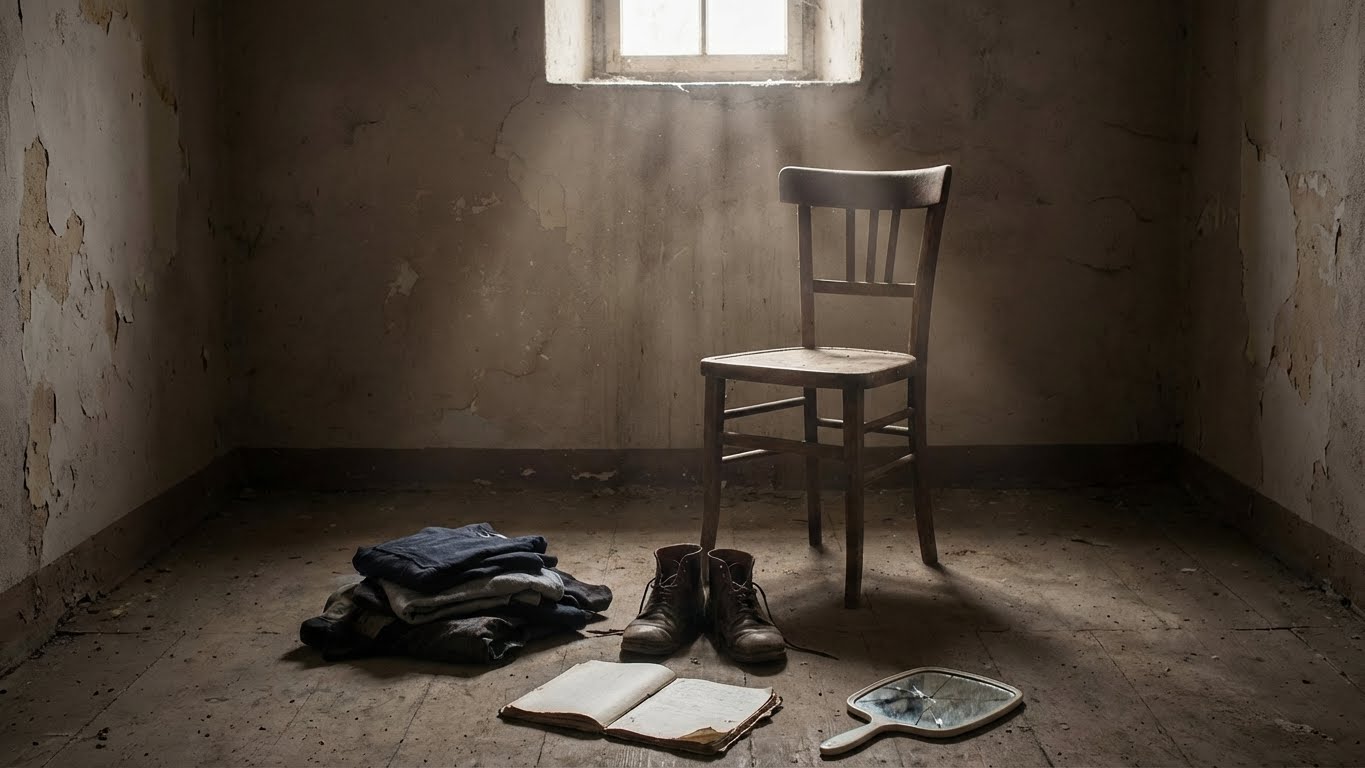
In Turkey’s prisons today, there are children who have never seen the outside world.
They were born behind bars.
They learned to walk between concrete walls.
Their first words were spoken in cells shared with their mothers.
This is not a metaphor. It is a documented reality.
Since 2016, women and children in Turkish prisons have become one of the least visible consequences of mass repression. While arrests, dismissals, and trials dominate headlines, the lives unfolding behind prison walls remain largely unseen.
This article examines why women and children are imprisoned in Turkey, how many are affected, and which international protections are being violated.
How Women Became Targets of Mass Incarceration
After the 2016 coup attempt, Turkey’s criminal justice system expanded its reach dramatically.
Women were not spared.
According to documentation compiled by Advocates of Silenced Turkey (AST), thousands of women were detained or imprisoned under terrorism-related charges, often linked not to violent acts, but to association-based allegations.
Many were:
- Teachers
- Healthcare workers
- Civil servants
- Homemakers with no public role
In numerous cases, evidence relied on indirect indicators such as employment history, social ties, or digital records—rather than criminal conduct. On December 16, 2025, The European Court of Human Rights (ECHR) ruled that there can be no punishment without a crime. Using ByLock, depositing money in a bank, and family ties could not be considered elements of a crime, and issued a ruling on the violation of rights concerning 2,420 individuals.
Pregnant Women in Prison in Turkey
One of the most alarming aspects of post-2016 incarceration has been the detention of pregnant women.
AST reports document cases in which women were:
- Arrested during pregnancy
- Held in pre-trial detention while pregnant
- Forced to give birth while incarcerated
International standards are clear on this issue. Detention of pregnant women should be an exception of last resort.
In Turkey’s post-coup context, it became disturbingly routine.
Children Living in Prison With Their Mothers
Since 2016, more than 3,000 children in Türkiye have been forced to live in prison alongside their incarcerated mothers. Although Turkish law allows children to remain with their mothers in detention until a certain age, in practice this policy has resulted in hundreds of infants and toddlers spending their most formative years behind bars.
As of today, at least 759 children are still living in prisons with their mothers.
Documentation by Advocates of Silenced Turkey (AST) reveals that these children are growing up in conditions that violate their fundamental rights, including:
- Infants living in overcrowded and unhygienic prison cells
- Toddlers deprived of open spaces, fresh air, and safe play areas
- Children exposed daily to constant security surveillance, confinement, and prison routines
These children have committed no crime. They are not prisoners by sentence, but they are imprisoned by circumstance, paying the price of policies that disregard the best interests of the child.
Conditions That Children Experience Behind Bars
Prisons are not designed for children.
Yet children living in Turkish prisons often face:
- Limited access to sunlight and outdoor play
- Inadequate nutrition
- Lack of age-appropriate healthcare
- Developmental delays due to confinement
For many, prison becomes the environment where emotional and physical development begins.
This raises serious concerns under international child protection standards.
International Law and Child Rights Violations
Turkey is a party to multiple international conventions that protect women and children, including:
- The Convention on the Rights of the Child
- The Convention on the Elimination of All Forms of Discrimination Against Women
- The European Convention on Human Rights
These treaties emphasize:
- The best interests of the child
- Protection of motherhood
- Proportionality and necessity in detention
When children grow up in prison and pregnant women are routinely detained, those standards are placed under severe strain.
Why These Cases Receive So Little Attention
There are no courtroom cameras in women’s wards.
There are no press briefings from nursery cells.
Women and children in prison rarely fit dominant political narratives. Their stories unfold quietly, away from headlines.
As a result, systemic harm becomes invisible.
AST’s work focuses on documenting precisely these overlooked realities, not episodic abuses, but sustained patterns.
Long-Term Impact on Children
The effects of early childhood incarceration do not end at prison gates.
AST testimonies describe children who:
- Struggle with anxiety and fear
- Have difficulty adjusting to school environments
- Carry stigma linked to their parents’ imprisonment
For these children, incarceration is not a chapter.
It is the foundation of memory.
Why Silenced Turkey Documents These Stories
Silenced Turkey does not frame these cases as isolated tragedies.
Through verified reporting, anonymized testimonies, and legal analysis, AST documents how mass incarceration policies disproportionately harm women and children.
This documentation serves:
- International advocacy
- Legal accountability efforts
- Child protection interventions
- Historical record-keeping
Silence enables repetition.
Documentation prevents erasure.
Conclusion
Women and children in Turkish prisons are not collateral damage.
They are the human cost of policies that prioritize control over care, speed over justice, and punishment over protection.
Understanding women and children in prison in Turkey means recognizing that repression does not stop at prison doors, it enters families, shapes childhoods, and leaves lifelong marks.
Silenced Turkey exists to ensure those lives are not ignored.
Other Blog Posts

How Does the Rule of Law Erode? A Decade of Evidence From Turkey
Reading Systemic Human Rights Violations in Türkiye (2015–2025) No country becomes authoritarian overnight. No building collapses from a si...
Read More
The Right to a Defense, Denied: İmamoğlu’s July 2026 Hearings
The right to defend oneself is one of the foundations on which a fair trial rests. Without it, a courtroom risks ceasing to be a place where...
Read More
İmamoğlu on Trial: Anatomy of a 407-Defendant Mega-Case
In March 2025, the elected Mayor of Istanbul and Türkiye's leading opposition figure was detained, then jailed. One year later, his case ope...
Read More