Freedom of Expression: The Cornerstone of Democracy
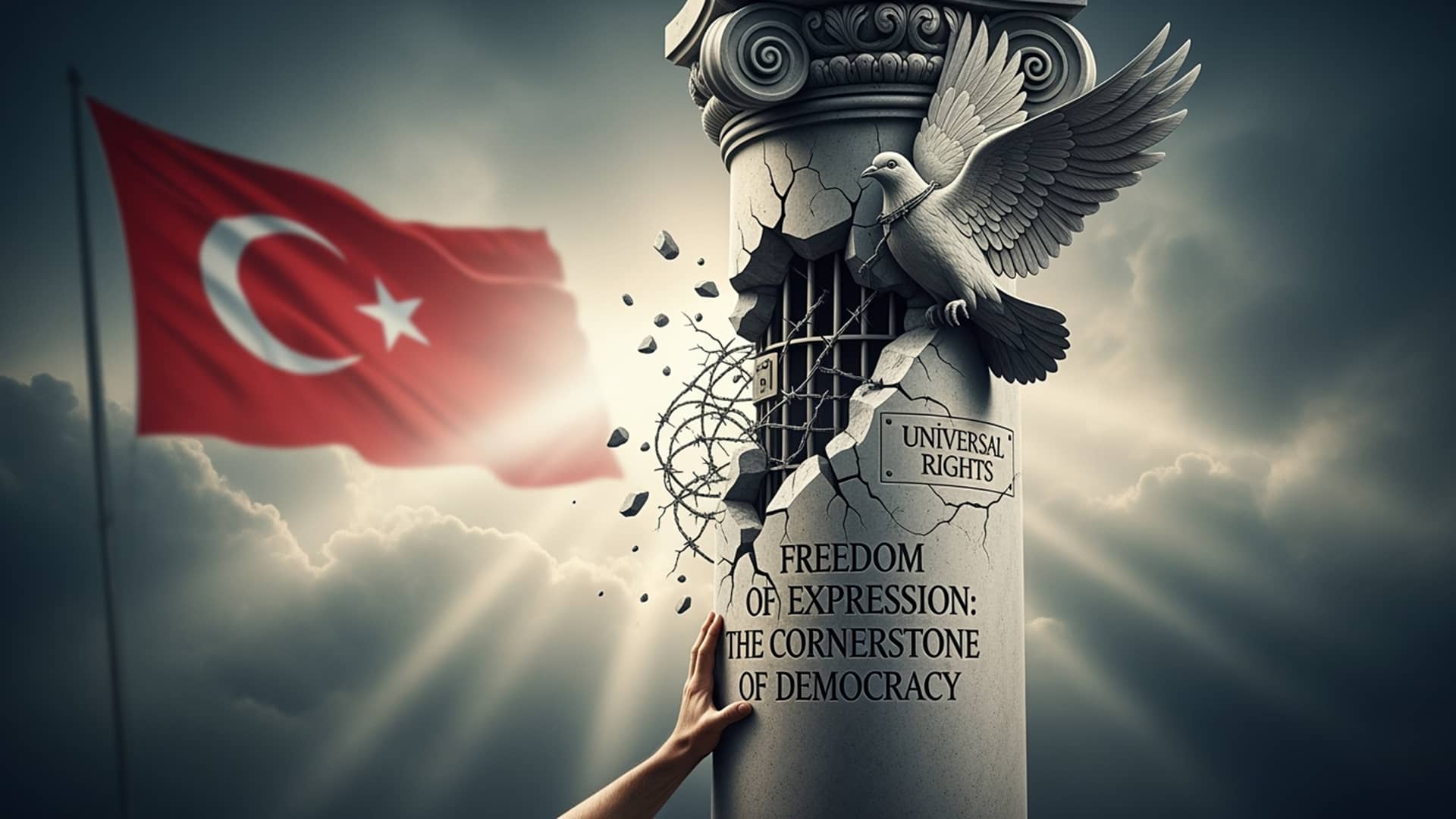
Why Freedom of Expression Matters
Freedom of expression is not simply a privilege enjoyed by artists and journalists – it is the foundation of any democratic society. Without the ability to voice criticism, share ideas or demand accountability, citizens cannot participate meaningfully in civic life. The Universal Declaration of Human Rights (UDHR) enshrines this right, and international law recognizes that states must protect it unless the speech incites violence.
In Turkey, however, the situation has deteriorated sharply. AST notes that more than 600,000 people – including homemakers, teachers, academics and judges – have been imprisoned since July 2016. Over 200 media outlets have been shut down and at least 308 journalists and human‑rights defenders have been behind bars. When dissent is punished, human dignity vanishes and abuses flourish. AST’s founders and volunteers—many of whom have faced imprisonment or exile—describe themselves as “prisoners of conscience”.
Lessons from Turkey
The Turkish government’s campaign against perceived opponents, including journalists, judges and civil‑society groups, illustrates how quickly authoritarianism can take hold. President Erdoğan’s declaration that the “old Turkey no longer exists” ushered in a “New Turkey” characterized by mass arrests and draconian laws. AST highlights that silence has become the norm and that basic rights are absent. This environment breeds fear and discourages citizens from speaking out against corruption, environmental degradation or social inequality.
Global Importance
The erosion of free speech in Turkey is not an isolated problem. Around the world, governments are adopting laws that criminalize “fake news” or “disinformation,” often used to suppress legitimate criticism. Protecting freedom of expression is therefore essential for human rights defenders, journalists and ordinary citizens everywhere. When voices are silenced, evidence of torture, forced disappearances or discrimination goes unreported.
Historical and Philosophical Roots
The idea that individuals should be free to speak their minds without fear of retribution dates back centuries. Philosophers such as Voltaire and John Stuart Mill argued that the free exchange of ideas is essential for the pursuit of truth and the progress of society. Mill, in particular, cautioned against the “tyranny of the majority,” warning that even democratically elected governments can become oppressive if they suppress dissenting voices. In the United States, the First Amendment enshrines free speech as a fundamental right, and similar protections exist in many constitutions around the world. These philosophical foundations underscore that freedom of expression is not merely a Western ideal but a universal human aspiration.
Consequences of Suppression
When free speech is curtailed, the impacts ripple across every aspect of civic life. Citizens begin to self‑censor, fearing that a careless comment could lead to dismissal from their jobs, prosecution or harassment. Independent scholarship suffers as academics avoid controversial topics; art and culture stagnate because artists cannot explore sensitive themes; and journalists resort to euphemisms or coded language to hint at truths they cannot say outright. The absence of open debate also fosters misinformation and conspiracy theories, because rumours fill the void left by credible reporting. Communities become polarized and mistrustful when people cannot openly discuss their grievances.
International Standards and Protections
The Universal Declaration of Human Rights (UDHR) affirms in Article 19 that everyone has the right to freedom of opinion and expression, including the freedom to “seek, receive and impart information and ideas through any media and regardless of frontiers.” The International Covenant on Civil and Political Rights (ICCPR), which is legally binding on its parties, reiterates this right but also allows limited restrictions that are necessary and proportionate to protect national security, public order or the rights of others. Turkey is a party to the ICCPR and the European Convention on Human Rights; the latter’s Article 10 guarantees freedom of expression. These instruments make clear that criminalizing peaceful dissent or shutting down media outlets violates international obligations. AST and similar NGOs frequently remind governments of these commitments when campaigning for imprisoned journalists.
How You Can Help
- Stay Informed: Follow reputable human‑rights organizations and independent journalists to understand what is happening in Turkey and elsewhere. AST regularly publishes reports and testimonials about imprisoned individuals.
- Support independent media: Subscribe to newspapers and donate to investigative outlets that expose abuses. Encourage friends and family to consume varied sources, resisting propaganda and misinformation.
- Amplify silenced voices: Share articles, petitions and social‑media posts about political prisoners. AST’s social‑media channels provide updates on cases and campaigns.
- Engage policymakers: Contact your elected representatives to express concern about human‑rights violations in Turkey. Encourage governments to hold perpetrators accountable through sanctions or diplomatic pressure.
- Volunteer or donate: AST and similar organizations rely on volunteers and donations to produce reports, organise exhibitions and litigate cases. Even small contributions help protect freedom of expression.
- Write Letters to Prisoners: Sending letters or postcards to imprisoned journalists and activists can provide them with emotional support and remind prison authorities that the world is watching. Several human‑rights organizations coordinate letter‑writing campaigns for detainees in Turkey.
- Support Digital Rights: Advocate for strong encryption, privacy protections and internet freedom. Authoritarian governments often monitor online communications, so training activists in digital security helps keep their communications safe.
- Engage with Diaspora Communities: Turkish diaspora groups around the world organize protests, cultural events and lobbying efforts. Joining these groups can amplify their message and build networks of solidarity across borders.
- Educate the Next Generation: Encourage schools, universities and community centres to host workshops on media literacy and free speech. Young people who understand the value of open dialogue are less likely to tolerate censorship.
Conclusion
Freedom of expression is the lifeblood of democracy. When governments silence critics, they undermine their own legitimacy and inflict immeasurable harm on individuals and society. By learning from Turkey’s recent history and supporting organizations like AST, we can help safeguard this fundamental right not just for Turks but for people everywhere.
Other Blog Posts

How Does the Rule of Law Erode? A Decade of Evidence From Turkey
Reading Systemic Human Rights Violations in Türkiye (2015–2025) No country becomes authoritarian overnight. No building collapses from a si...
Read More
The Right to a Defense, Denied: İmamoğlu’s July 2026 Hearings
The right to defend oneself is one of the foundations on which a fair trial rests. Without it, a courtroom risks ceasing to be a place where...
Read More
İmamoğlu on Trial: Anatomy of a 407-Defendant Mega-Case
In March 2025, the elected Mayor of Istanbul and Türkiye's leading opposition figure was detained, then jailed. One year later, his case ope...
Read More