Systematic Torture and Impunity in Türkiye: 2016–2025
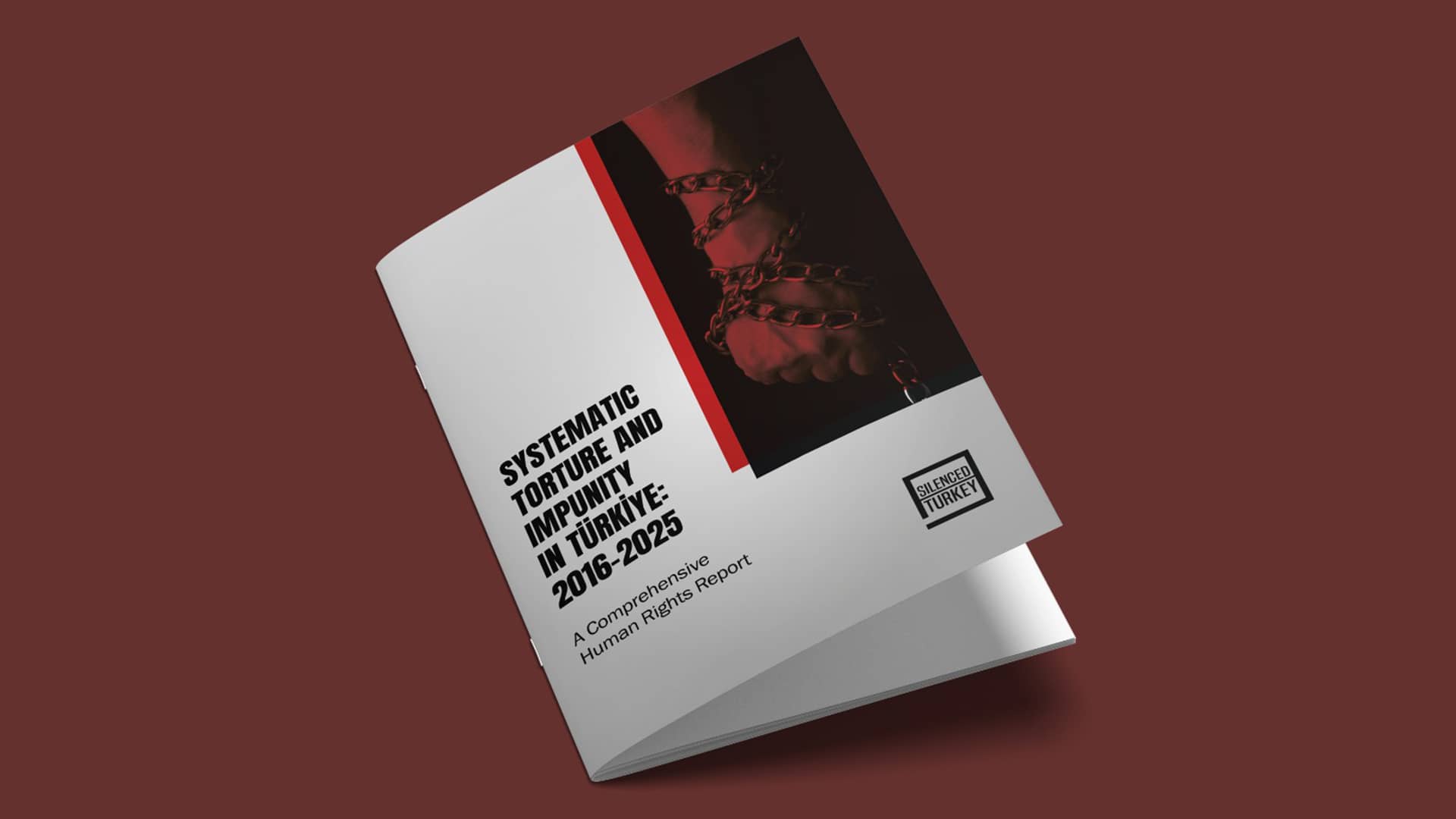
Systematic Torture and Impunity in Türkiye: 2016–2025
A comprehensive AST report documenting torture, ill-treatment, medical neglect, and impunity in Türkiye from 2016 to 2025, with legal analysis and recommendations.
A Comprehensive Human Rights Report by Advocates of Silenced Turkey
Between 2016 and 2025, allegations of torture and ill-treatment in Türkiye reveal a pattern that goes far beyond isolated incidents. This report examines how legal safeguards were weakened, how detention and prison conditions became tools of pressure, and how impunity allowed serious violations to continue.
Prepared by the AST Human Rights Committee, the report brings together survivor testimonies, legal documents, court records, human rights reports, and international standards to analyze the structural nature of torture and ill-treatment in Türkiye.
Why This Report Matters
The prohibition of torture is absolute under international law. It cannot be suspended during a state of emergency, justified by counter-terrorism policies, or overridden by public order concerns.
Yet the findings of this report show a deep contradiction between law and practice in Türkiye. While torture is prohibited under the Constitution, the Turkish Penal Code, UNCAT, the ECHR, and the ICCPR, the post-2016 period created an environment in which access to lawyers was restricted, detention periods were extended, independent medical examinations were weakened, and complaints were often left without effective investigation.
Key Issues Documented in the Report
The Erosion of Legal Safeguards
The report examines how the State of Emergency and Emergency Decree-Laws affected the basic protections meant to prevent torture, including access to legal counsel, family notification, medical examination, and judicial oversight.
Torture and Ill-Treatment in Detention
Testimonies describe detention processes marked by uncertainty, isolation, intimidation, physical violence, psychological pressure, and pressure to confess. The report highlights how the first hours and days of detention became a critical period in which legal oversight was at its weakest.
Prison Conditions and the Right to Health
The report documents allegations of medical neglect, delayed hospital referrals, handcuffed medical treatment, overcrowded wards, and barriers to accessing prison infirmaries. These conditions especially affected sick prisoners, elderly detainees, women, and other vulnerable groups.
Psychological Torture and Social Isolation
Beyond physical violence, the report analyzes psychological pressure, humiliation, threats against family members, forced uncertainty, isolation, and the long-term trauma experienced by victims.
Gender-Based Violations
The report includes findings concerning female detainees, including humiliating searches, separation from children, and gender-based psychological pressure. These experiences are presented as part of a broader pattern of vulnerability being used as a method of control.
Impunity and the Obstruction of Remedies
One of the report’s central findings is the persistence of impunity. Complaints were often not effectively investigated, evidence was not properly preserved, medical records were allegedly manipulated or left incomplete, and public officials accused of serious violations were frequently protected rather than held accountable.
Central Finding
The report concludes that torture and ill-treatment in Türkiye between 2016 and 2025 were not merely the result of individual misconduct. The geographic spread of documented violations, the recurrence of similar methods, and the repeated failure of accountability mechanisms point to a structural and institutional pattern.
Recommendations
The report calls for urgent measures to end impunity, restore detention safeguards, guarantee independent medical examinations, strengthen judicial independence, open detention facilities to independent oversight, and provide victim-centered reparation and rehabilitation.
It also urges international bodies, including UN mechanisms, the Council of Europe, the ECtHR, the European Union, civil society organizations, and academic institutions, to increase pressure for accountability and structural reform.
Full Report
Read the full report to examine the legal framework, methodology, testimonies, findings, and recommendations in detail.
Systematic Torture and Impunity in Türkiye: 2016–2025
Prepared by the AST Human Rights Committee
June 2026
The Human Cost of a Decade: Turkey’s Human Rights Records in Numbers, 2016–2026
Ten Years of Human Rights Violations, Political Persecution, and the Erosion of Democracy in Turkey This report by Ad...
Read More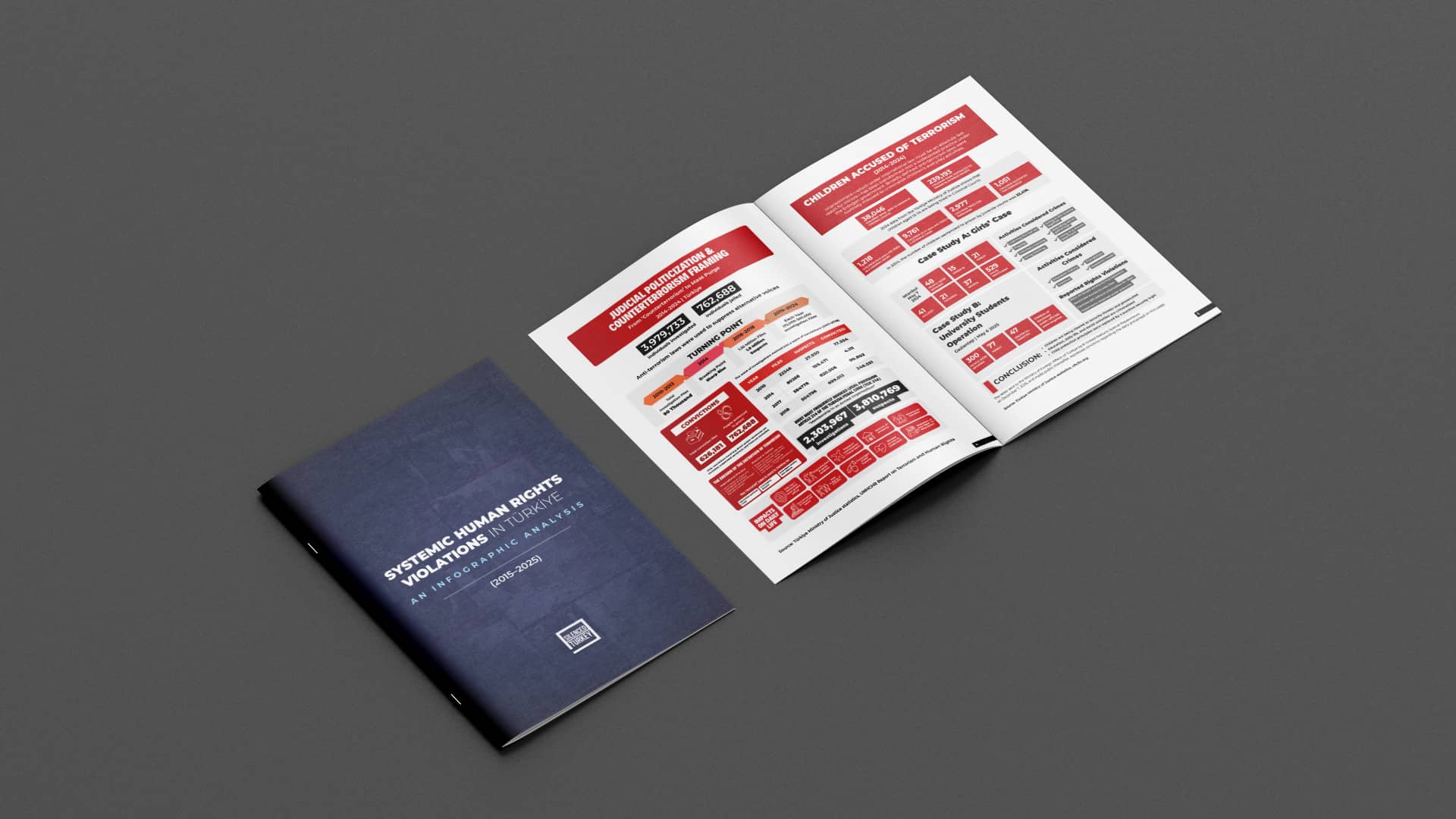
Systemic Human Rights Violations in Türkiye: An Infographic Analysis (2015–2025)
This infographic booklet presents a comprehensive overview of systemic human rights violations in Türkiye between 2015 a...
Read More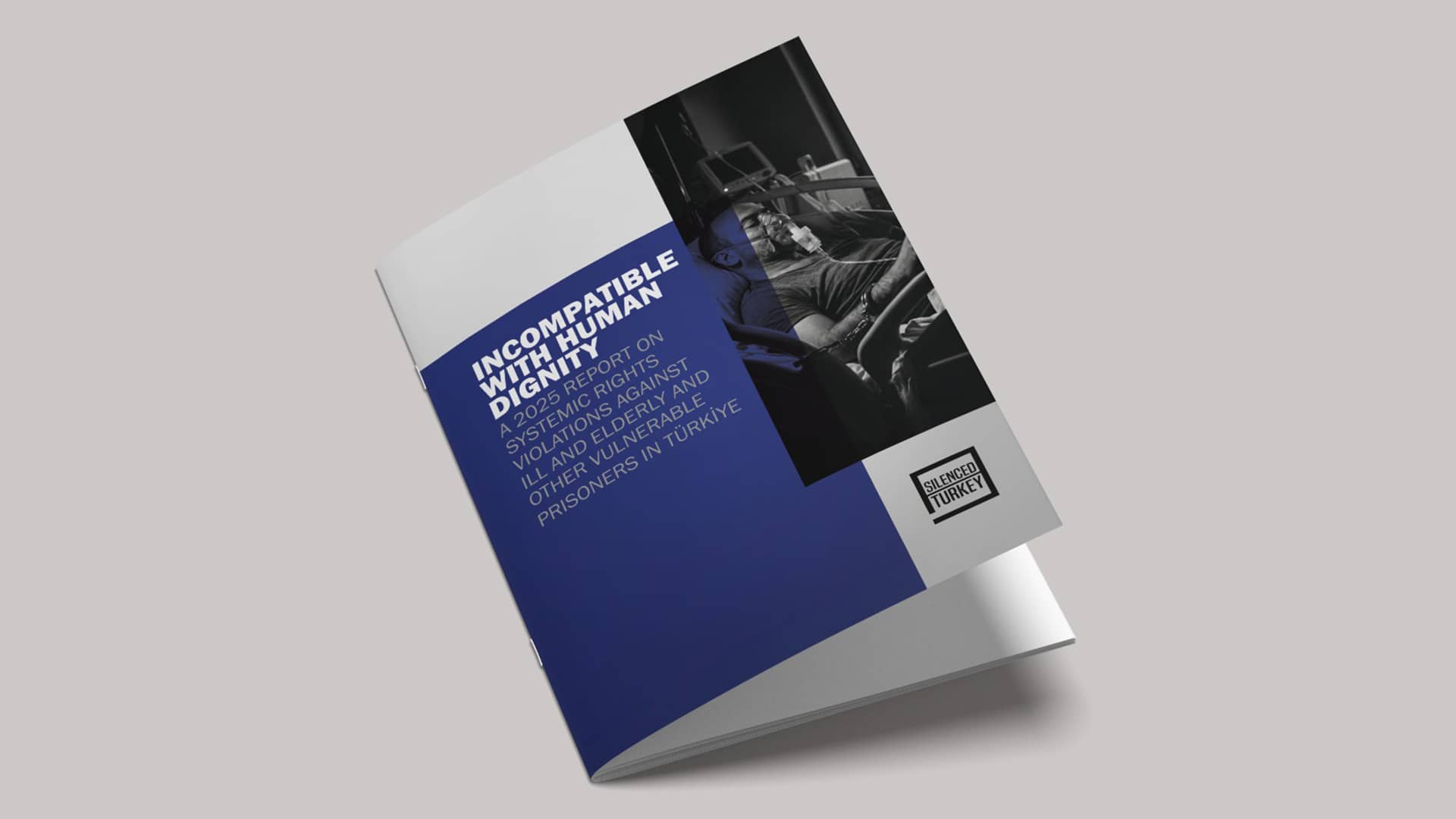
Incompatible with Human Dignity
This report documents systemic and grave human rights violations affecting ill, elderly, disabled, and other vulnerable ...
Read More