Sydney, Australia Hosts “Silent Screams”: A Call for Global Responsibility
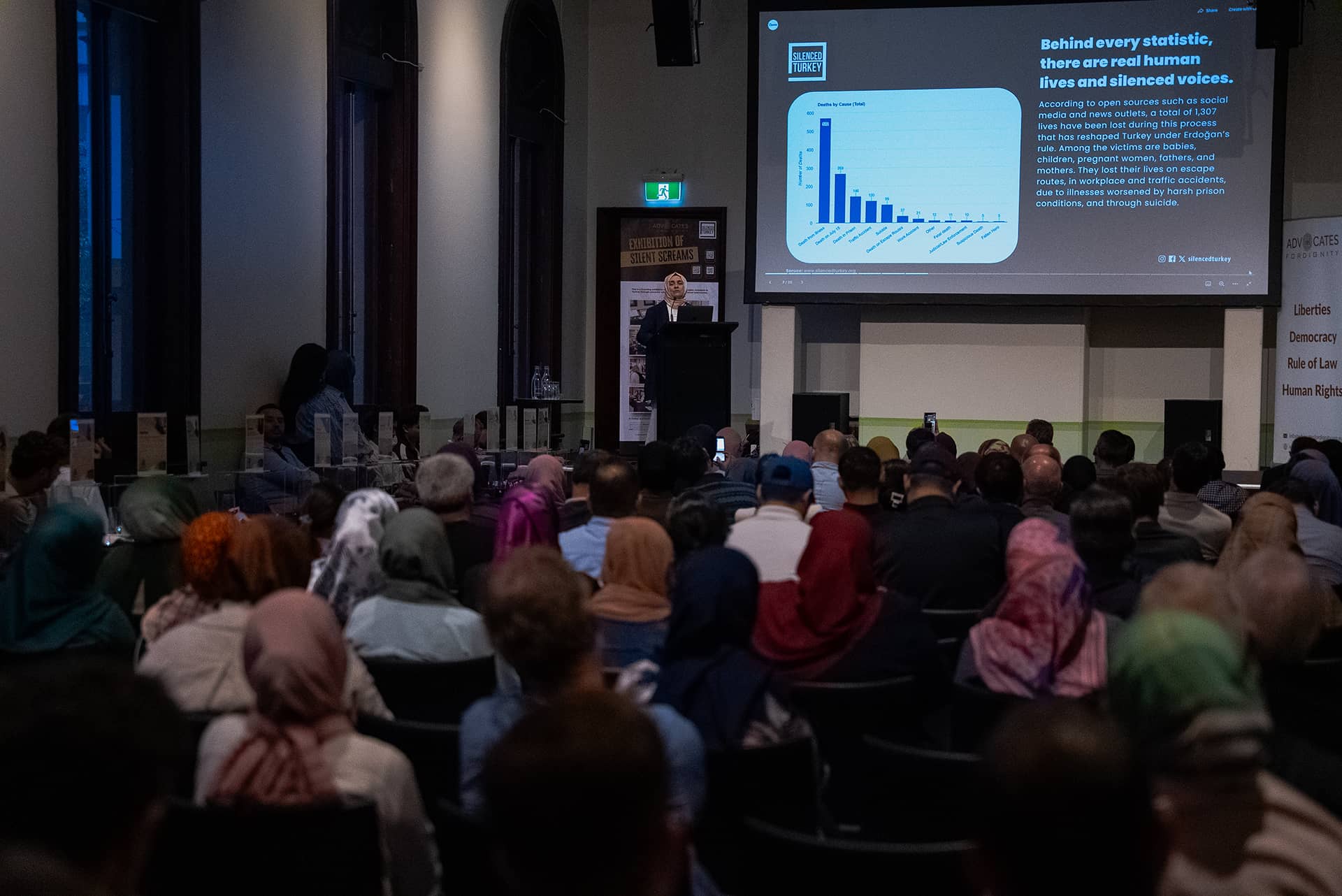
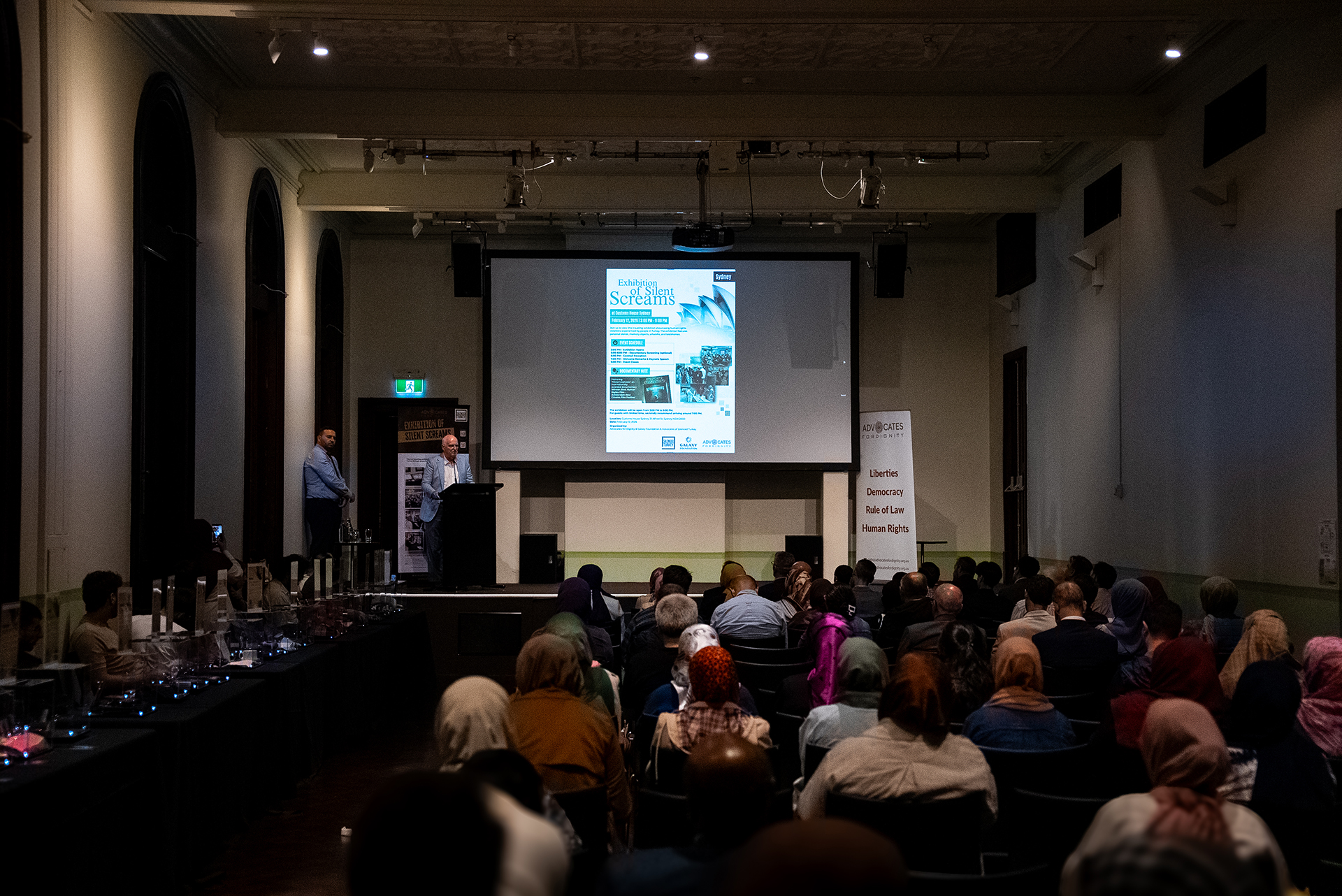
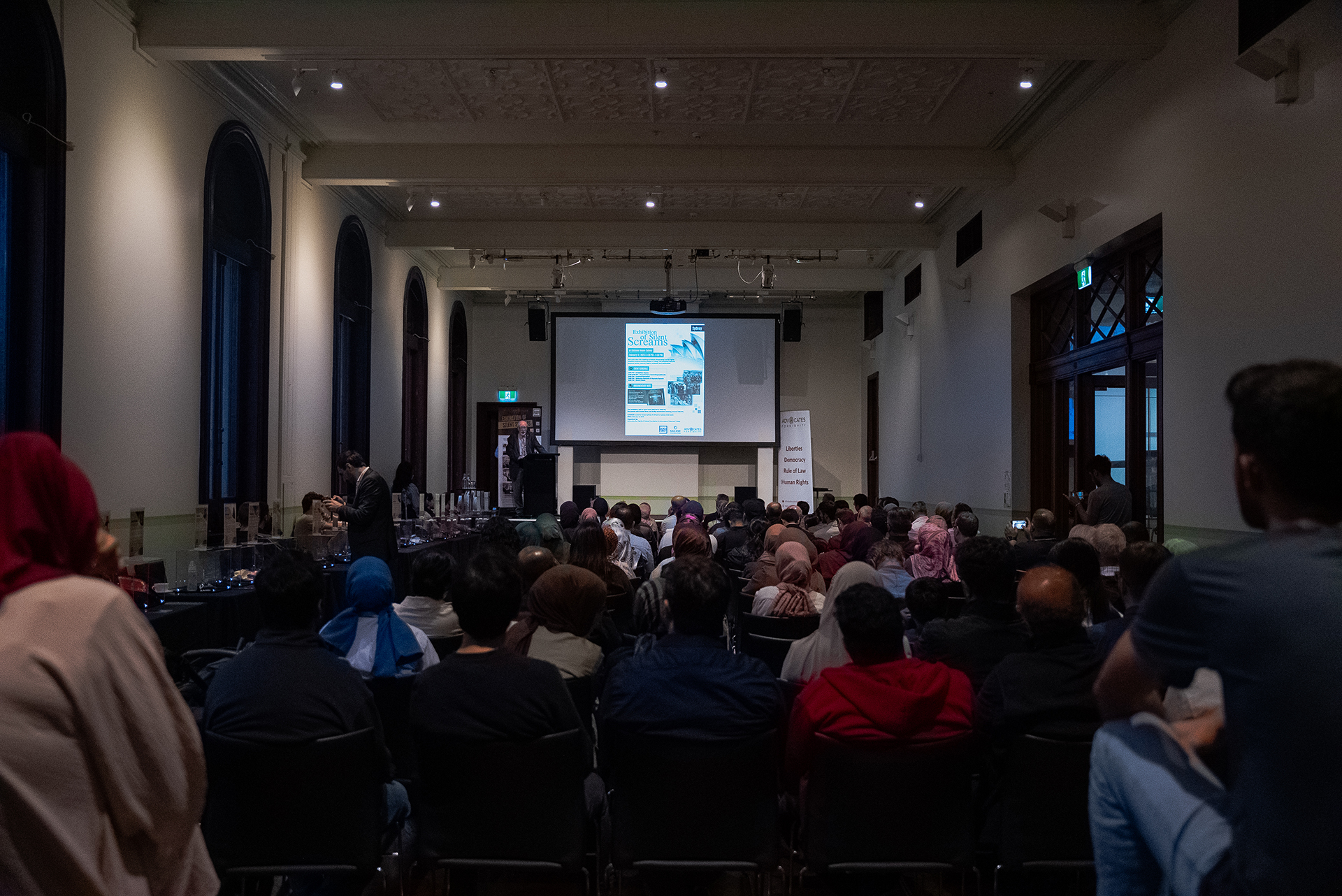
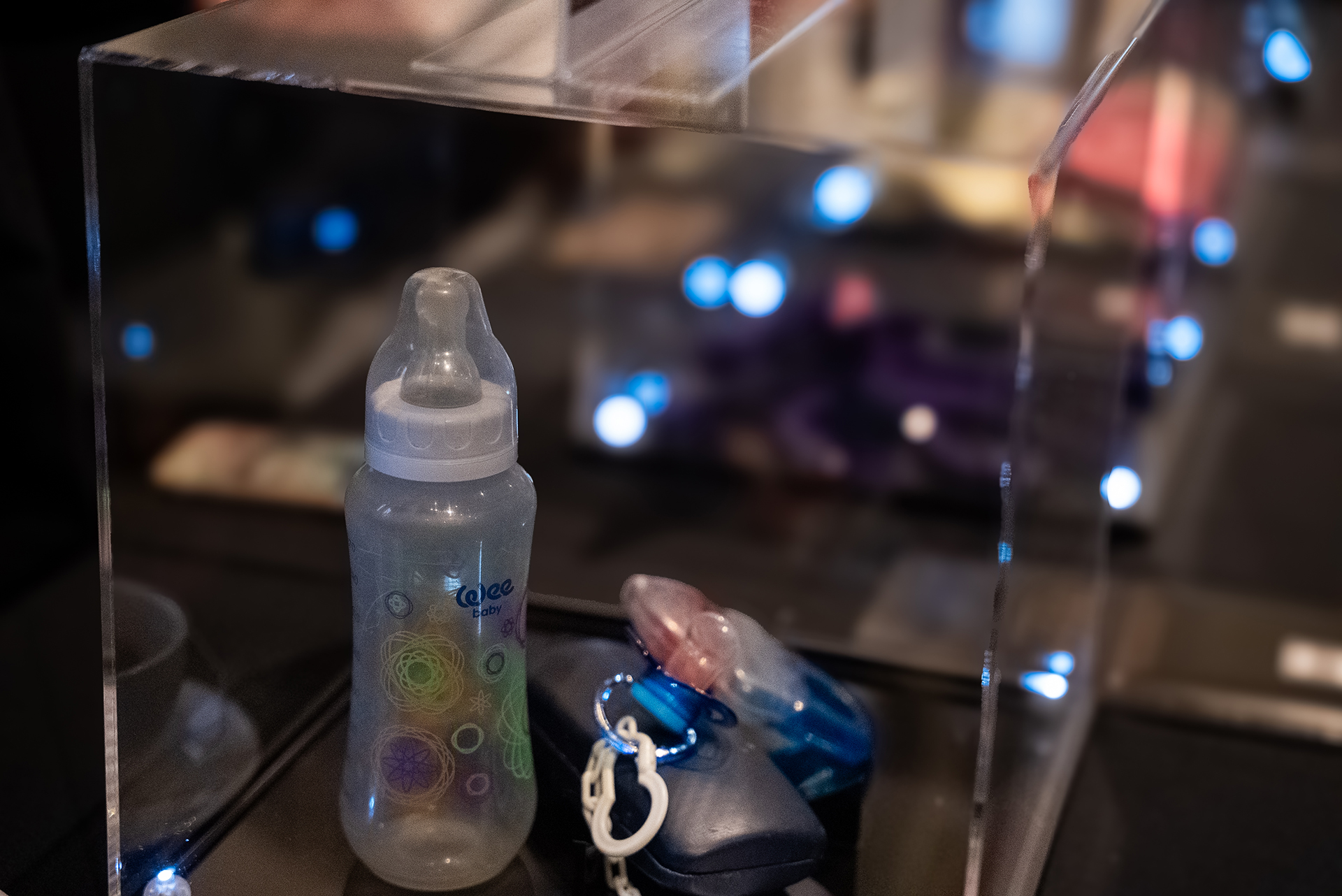
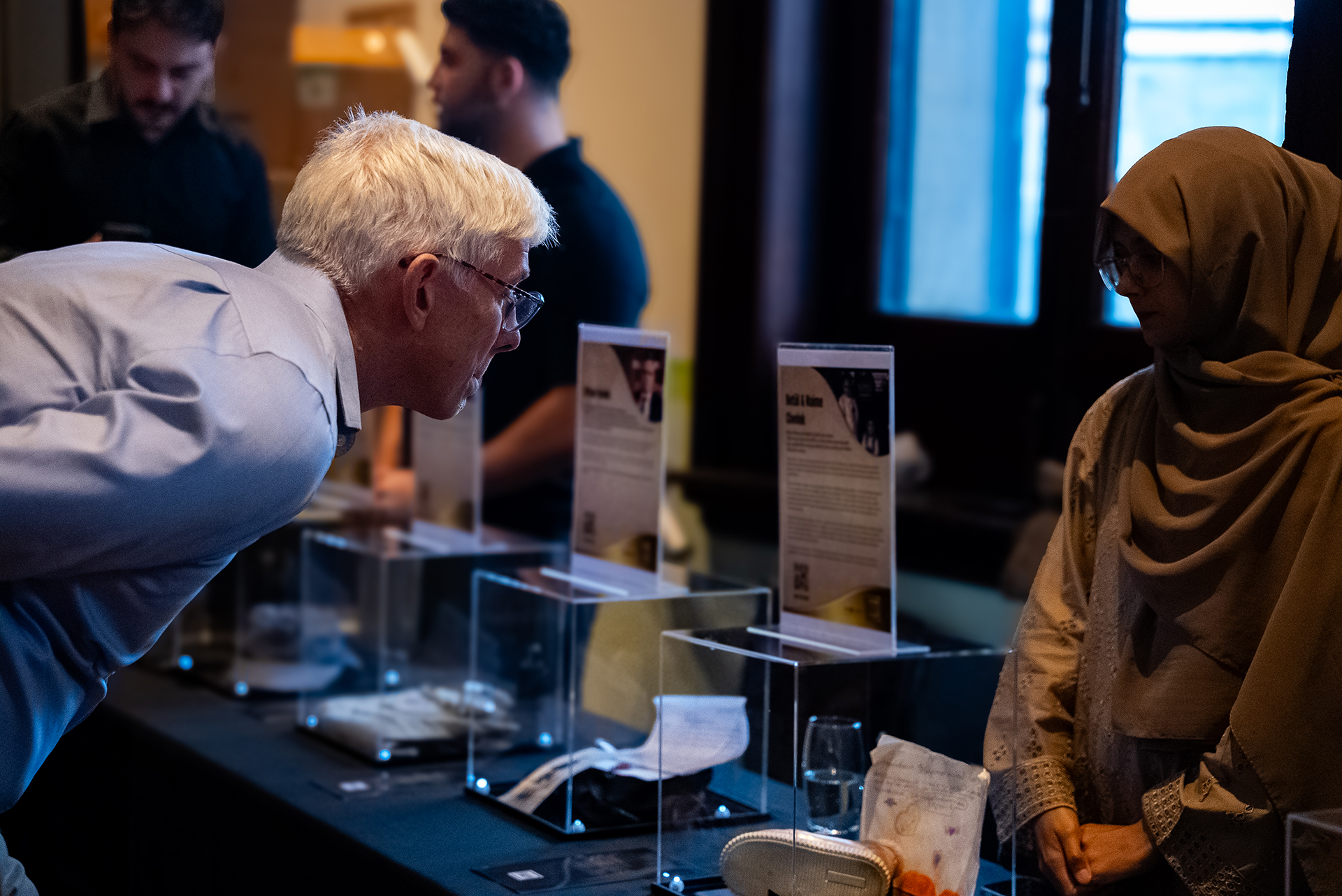
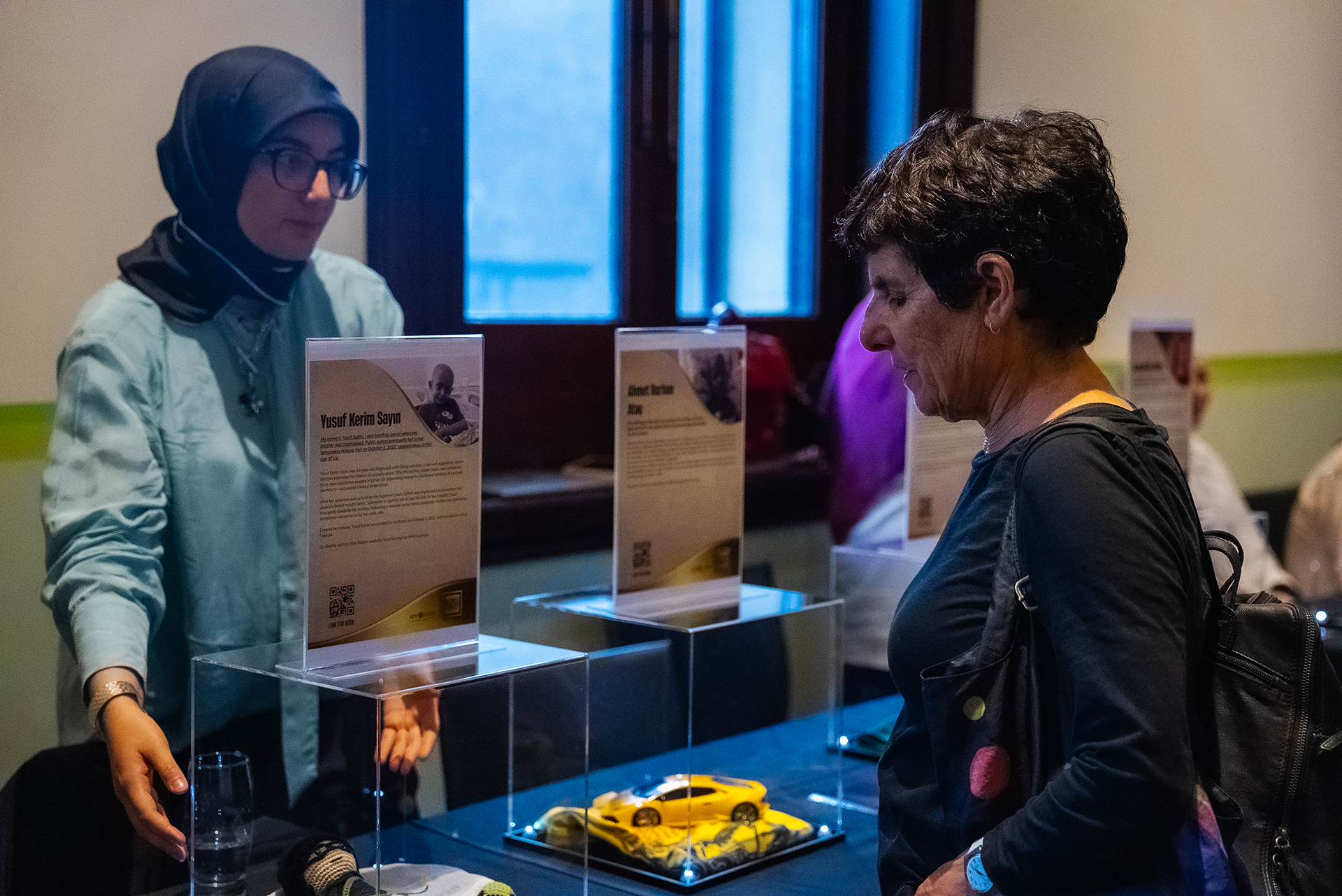
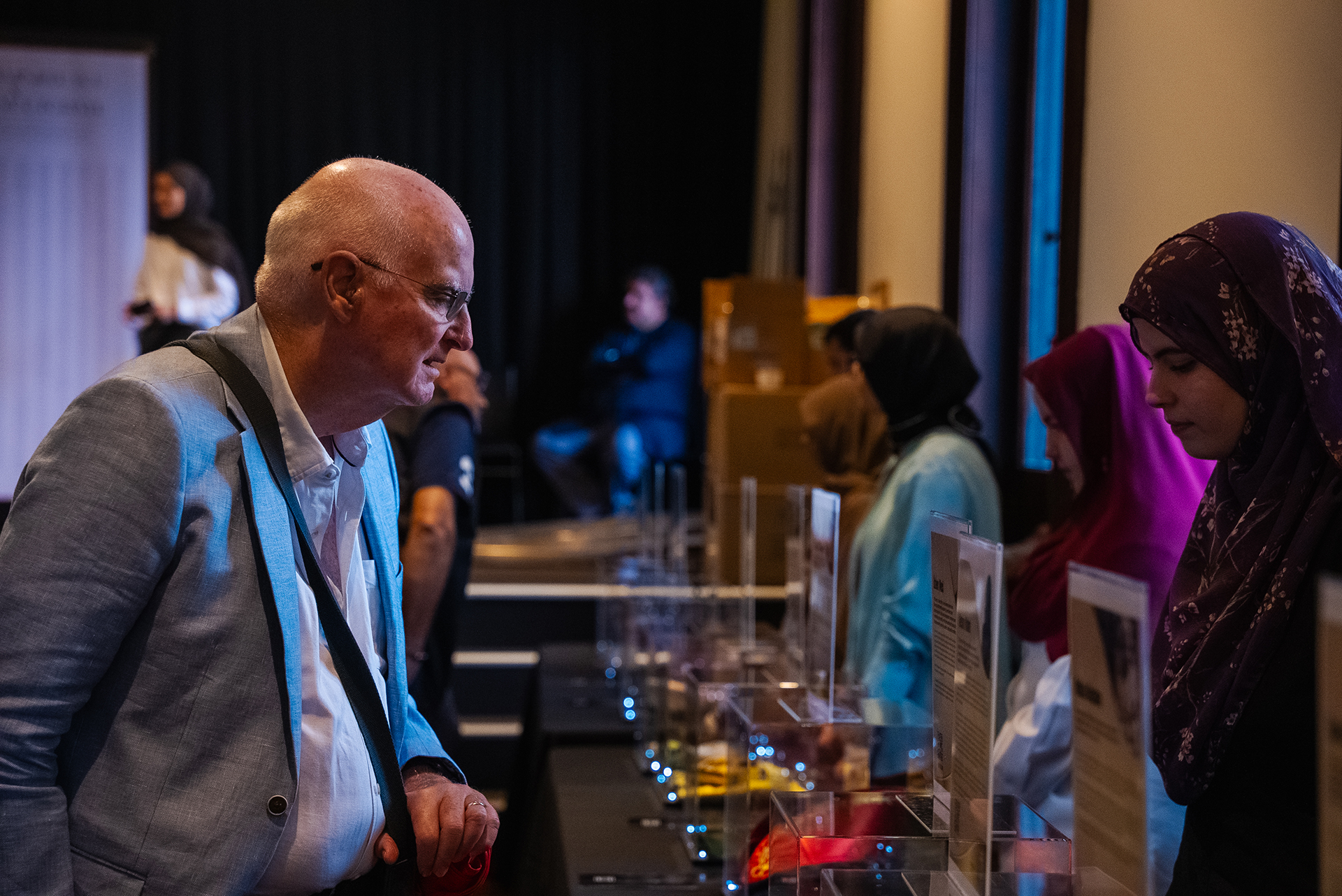
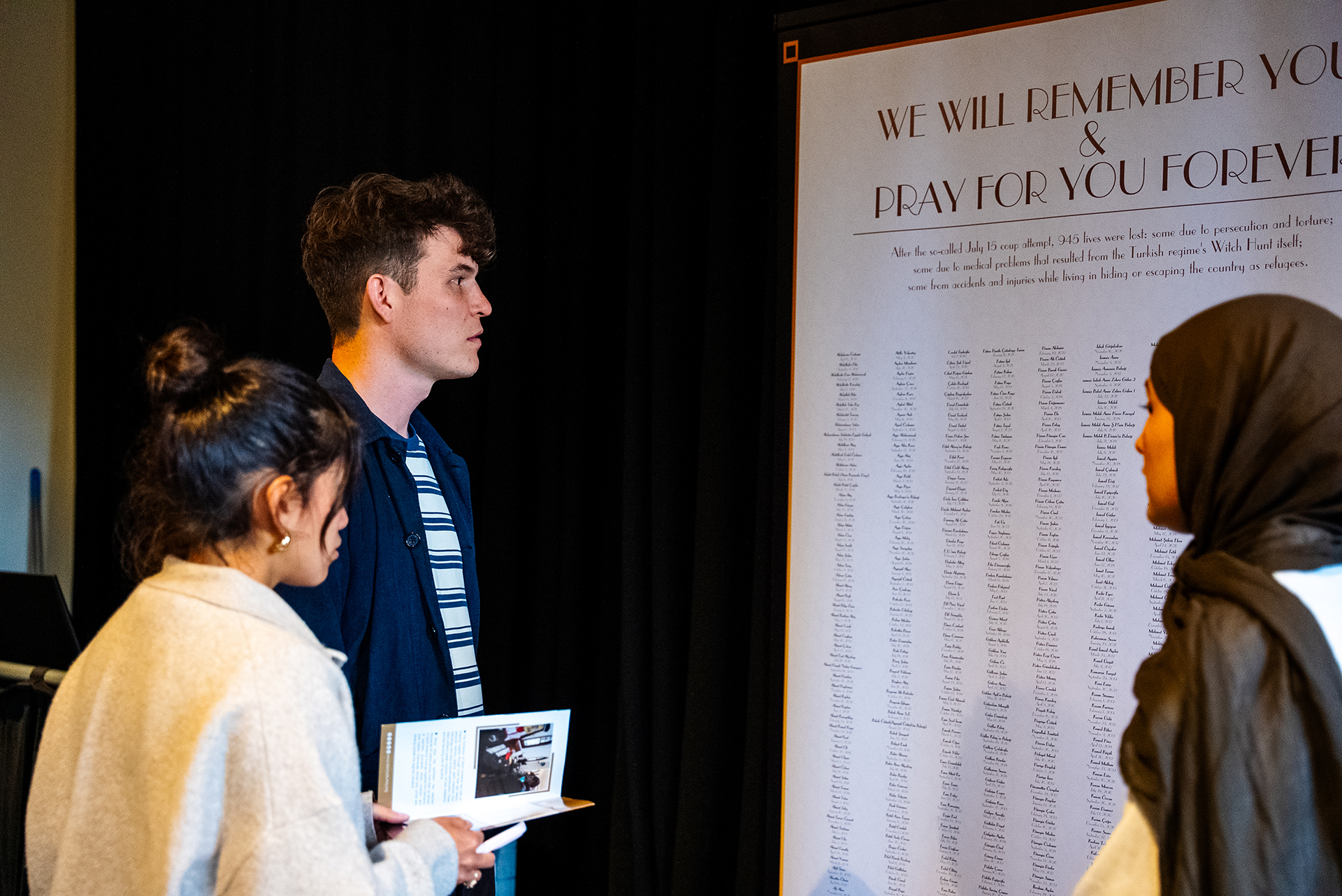
The Silent Screams Exhibition opened in Sydney this week, offering a poignant tribute to victims of human rights abuses in Turkey through the personal belongings they left behind.
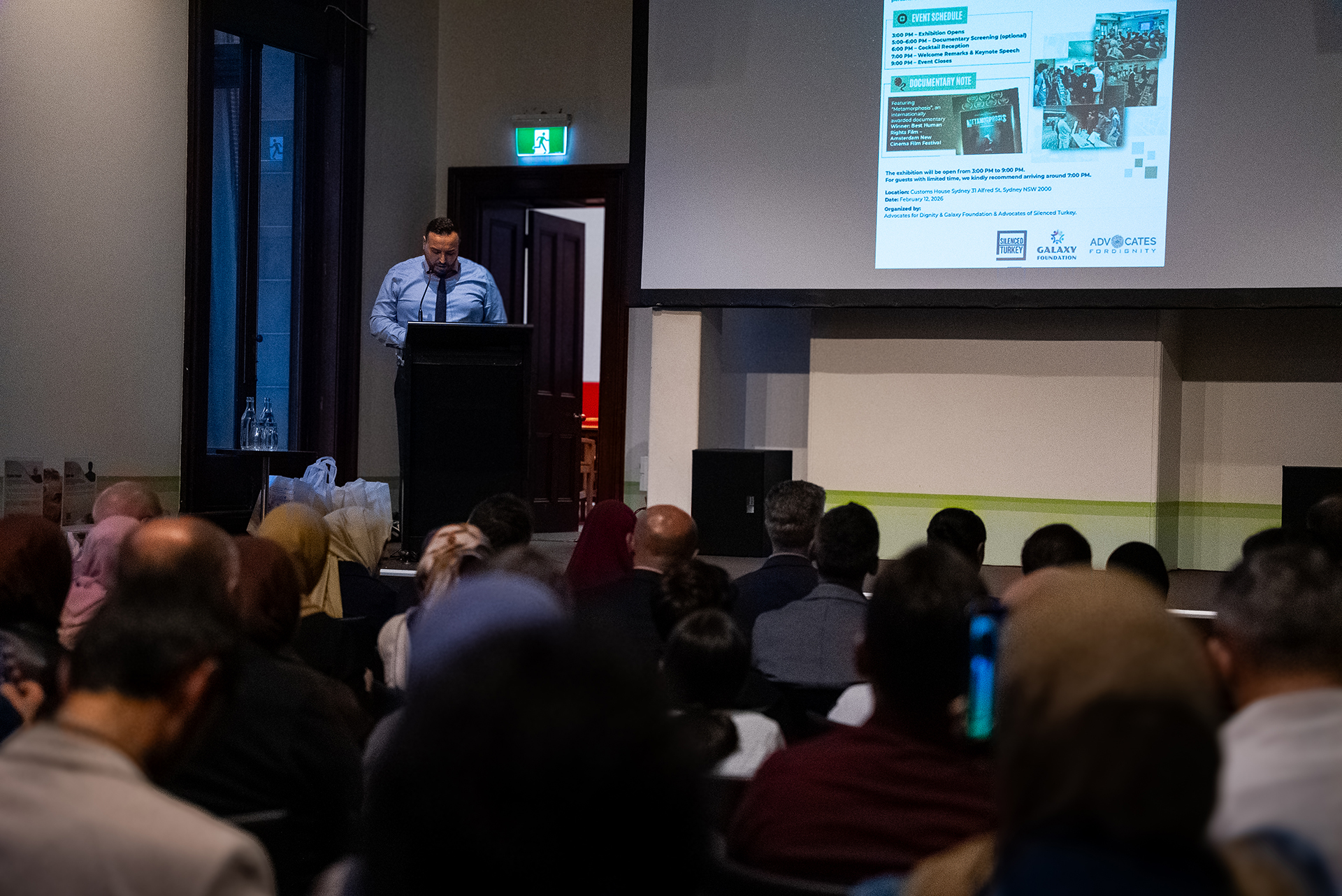
“Advocates for Dignity” President and event host Mehmet Saral welcomed attendees, describing the exhibition as a space to honor lives lost and people who have suffered, to uphold a shared responsibility to stand with victims. He noted that the display echoes concerns raised by international organizations, including Amnesty International’s “The State of the World’s Human Rights” report.
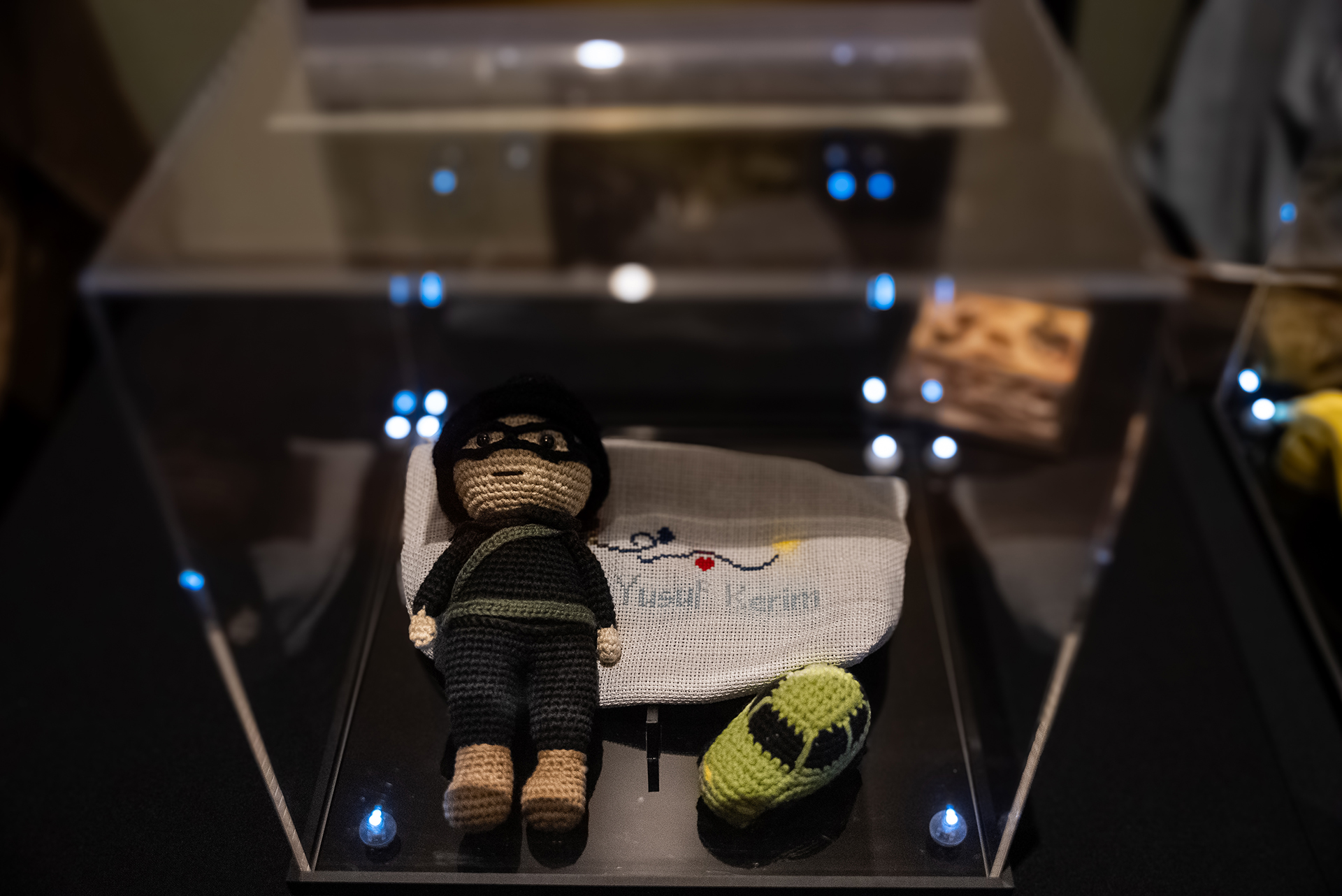
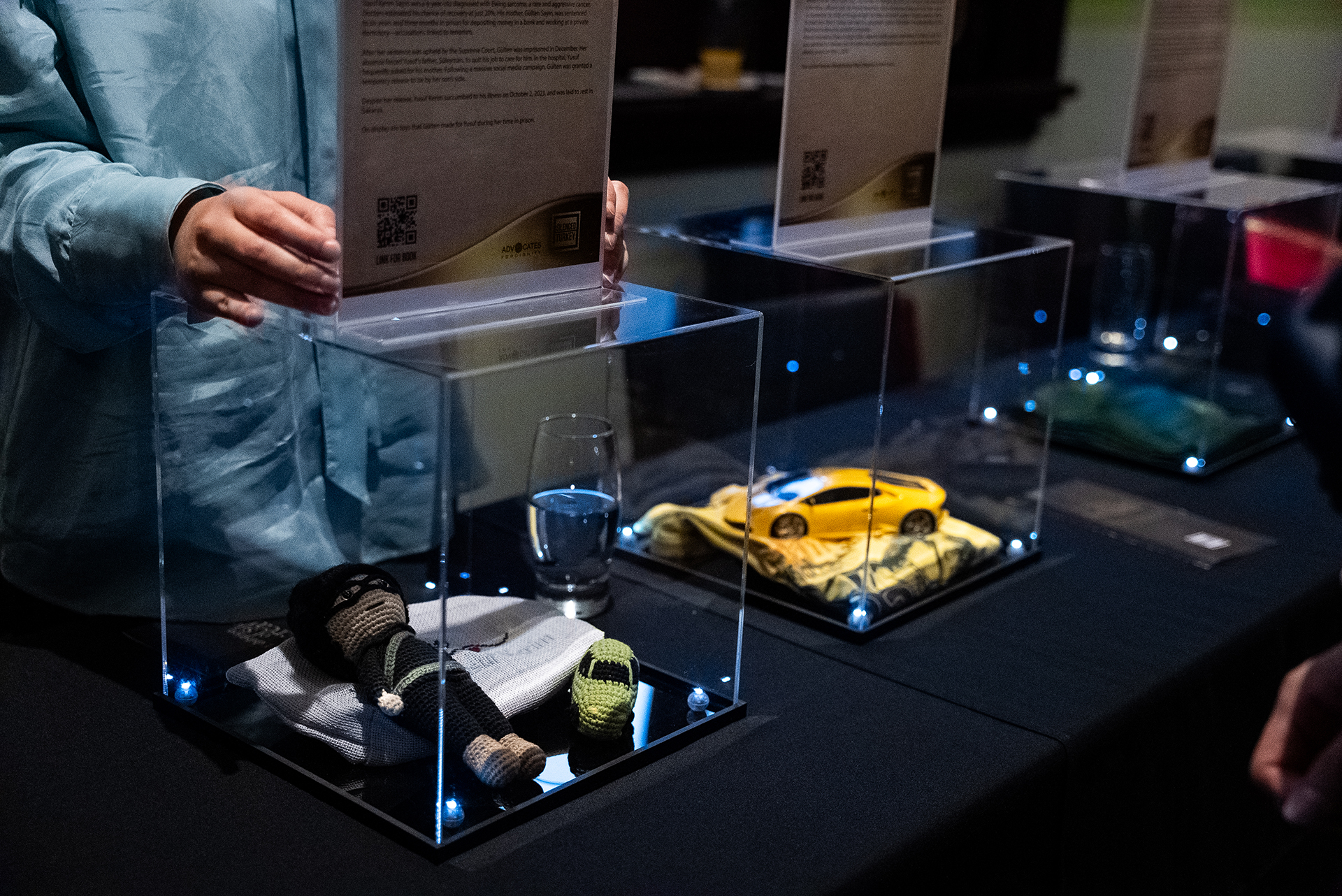
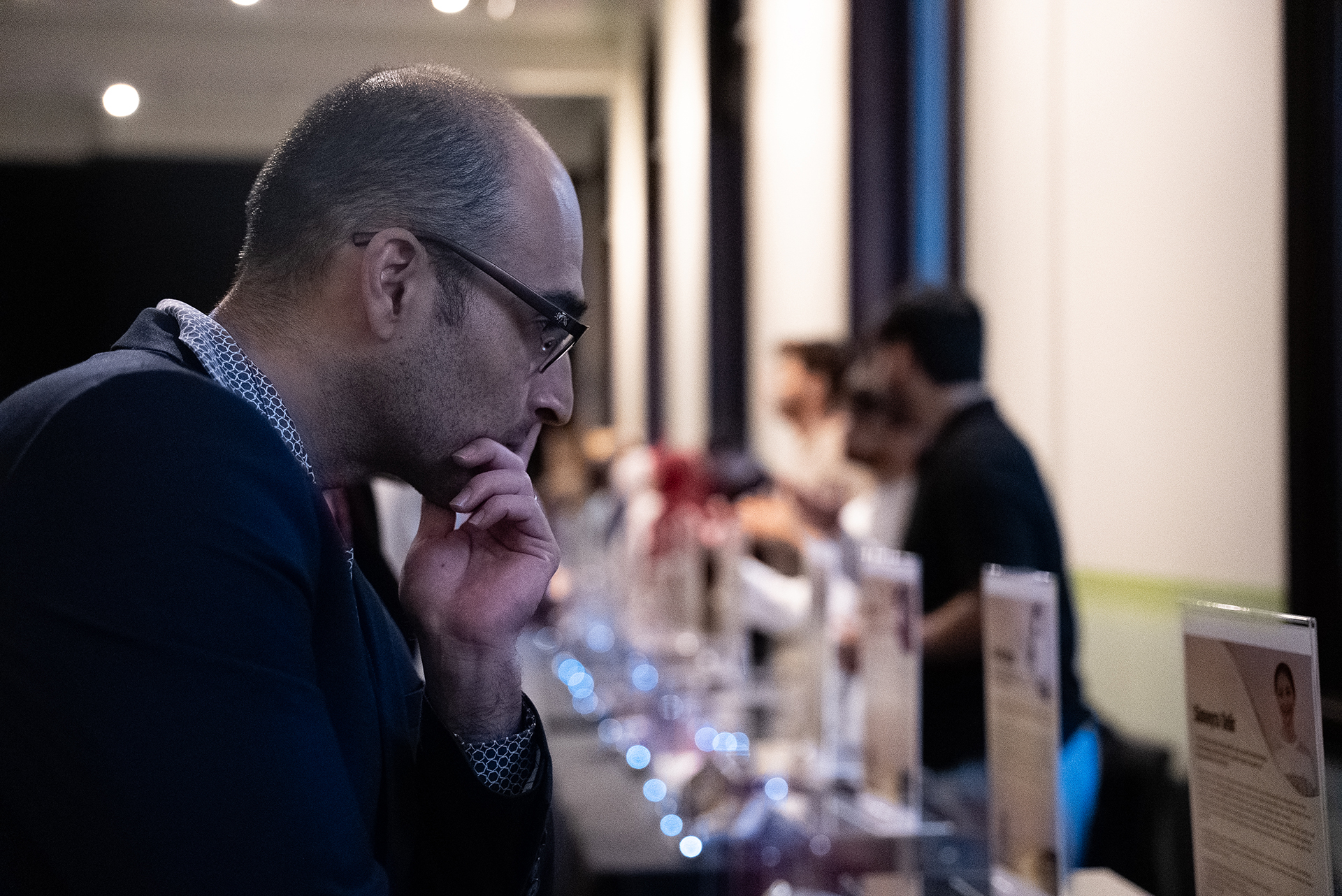
Visitors were confronted with intimate objects that survived when in some cases their owners did not — a photograph tucked into a pocket, a child’s notebook, a scarf carrying the scent of home.
“These belongings remind us that behind every abuse is a life, a family, a story,” Saral said.
Calls for Unity and Human Dignity Echo at Sydney Human Rights Exhibition
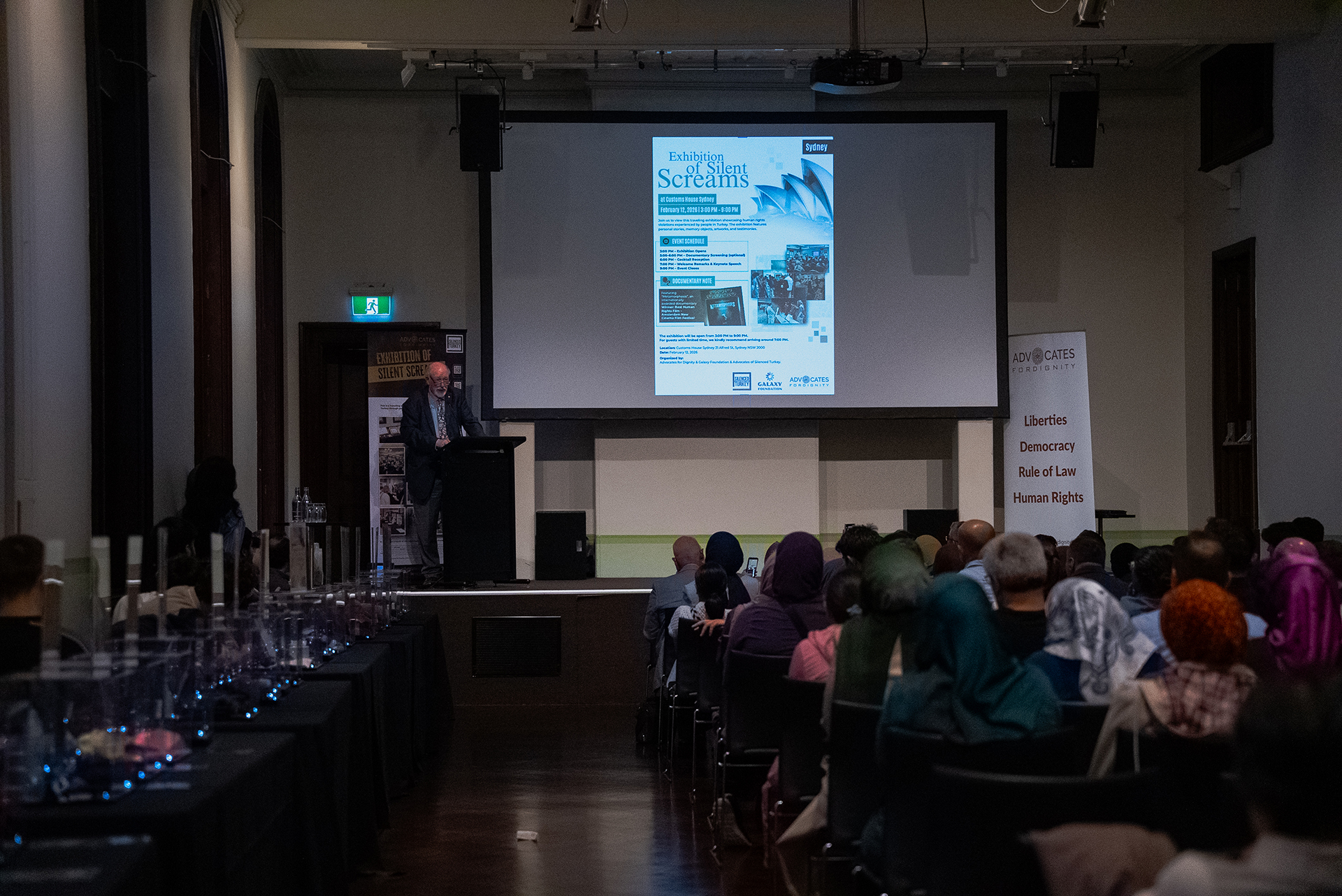
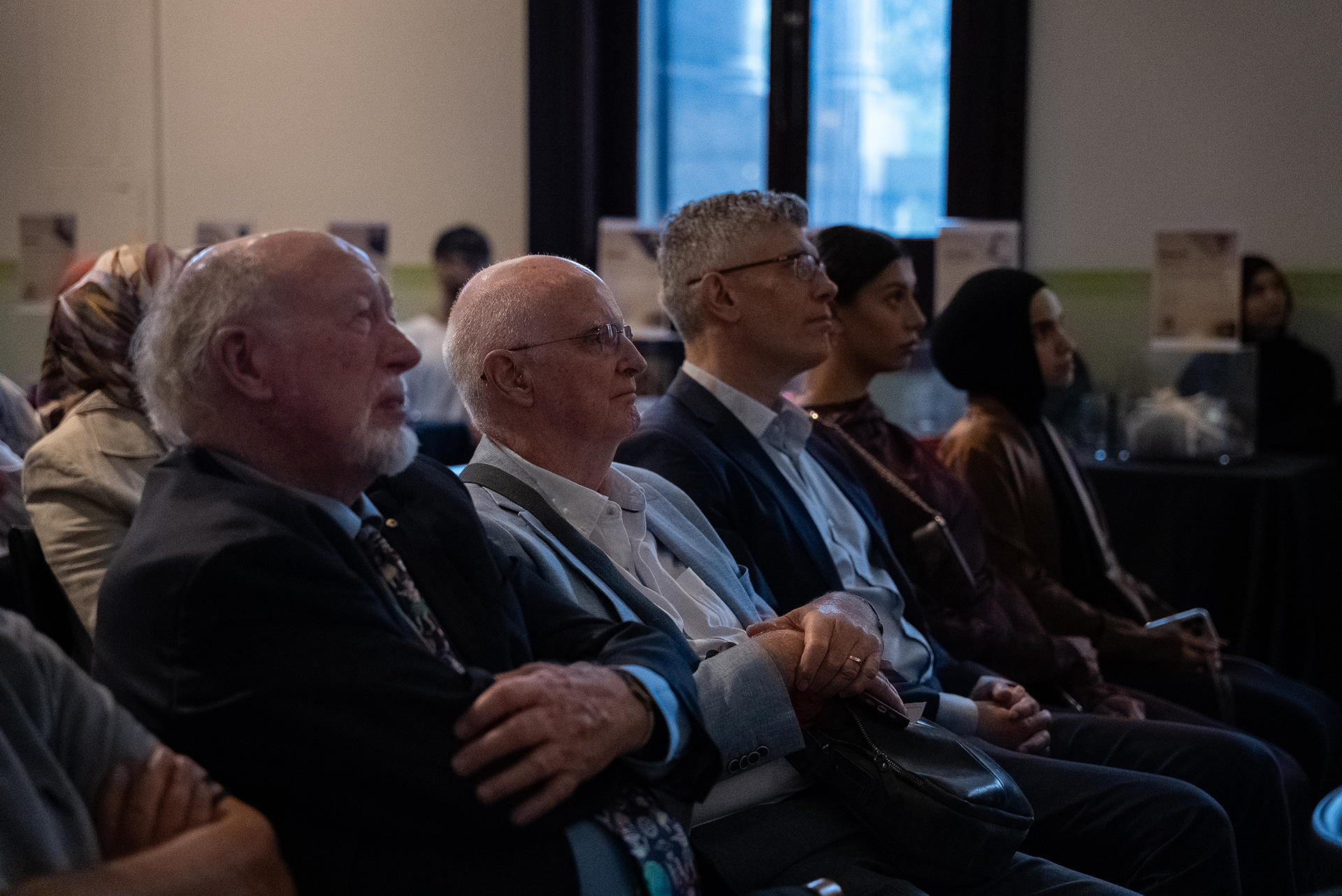
At a moving gathering in Sydney, keynote speaker Jim Mein urged Australians to embrace unity and learn from the tragedies unfolding around the world. “The world needs to have a united world, and we as Australia can be a united role model,” he said, opening the evening with a call for collective responsibility.
Mein reflected on Australia’s multicultural identity, reminding the audience that “we are all migrants and we’ve got to learn to live together. Learn from Turkey so we don’t repeat their mistakes.”
He described multiculturalism as “the start of the journey,” emphasising the role of civil society organisations such as Affinity, Advocates of Dignity, Galaxy and the Uniting Church in strengthening social cohesion at a time when “political parties are arguing” and deepening divisions.
Drawing on his interfaith experience, Mein highlighted the shared foundations of major religions. “Our religions are similar… Jesus is actually mentioned more times in the Qur’an than he is in the Bible,” he noted, underscoring the importance of dialogue and understanding.
Remembering Turkey Before the Crackdown
Mein spoke emotionally about his past visit to Turkey, recalling the warmth of ordinary families who welcomed him into their homes. “They showed us remarkable hospitality; to strangers they had never met before,” he said.
He reflected on the spirit he witnessed among members of the Hizmet movement, describing it as a time when Turkey seemed closer to the European Union and more open to democratic ideals. “That world has passed now,” he said quietly.
According to Mein, the erosion began when “political orders take over traditional values and embark upon campaigns of censorship.” He warned that the decline of civil society, media freedom and democratic norms is not unique to Turkey. “What we have seen in our exhibition this evening is yet another example of how authoritarianism has been growing slowly but consistently around the world. These are very troubling times.”
For Mein, the transformation of those targeted by repression was profound. “Perhaps it was the triumph of dignity, courage and justice. Perhaps it was triumph rather than resilience,” he reflected.
He urged the audience to remain vigilant: “It really requires people to make these personal stands and to bring exhibitions like this one to observation.”
A Promise Made on the Banks of the Maritsa River
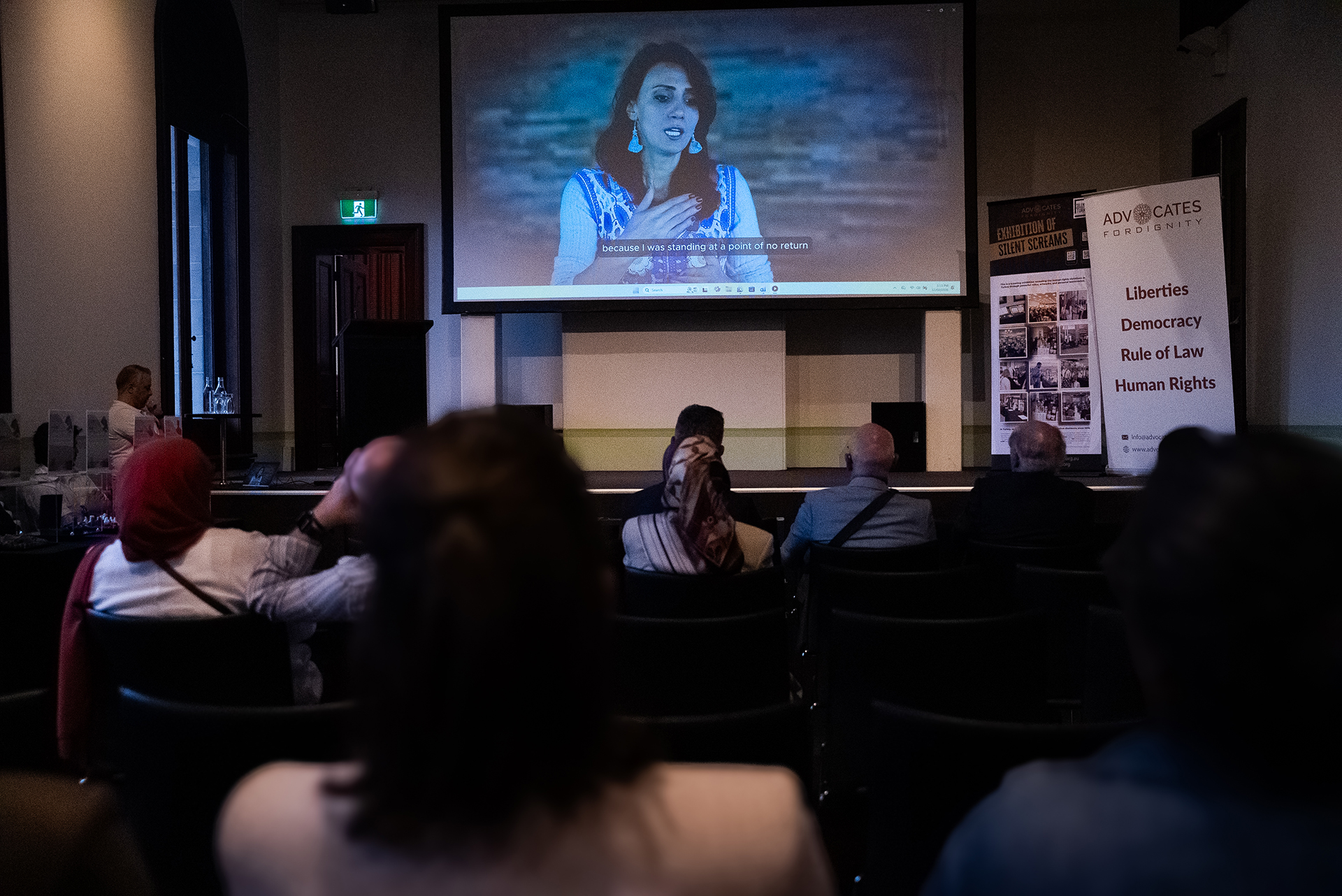
Filmmaker and advocate and curator of the exhibition, Ms. Aslihan Kas, spoke about the global nature of state violence and censorship. “Every story we share, every exhibition we open and every film we make brings us closer to justice,” she said.
She then shared the deeply personal story that drives her work — the death of her close friend Hatice Akçabay and her three children, who drowned while attempting to cross the Maritsa River to escape persecution in Turkey.
“People often ask me why I do this work. My motivation comes from Hatice,” she said.
Aslihan explained that she herself had been under investigation in Turkey and had planned to take the same journey. “The night before, I had a strong feeling something was not right, so I changed my decision. They went. I stayed.”
Hatice and her children never made it to safety.
“I attended her funeral, and there I made her a promise: if I ever reach a free country, I would tell her story and the stories of others. Their suffering wouldn’t be forgotten.”
Stories of Fear, Silence and Survival
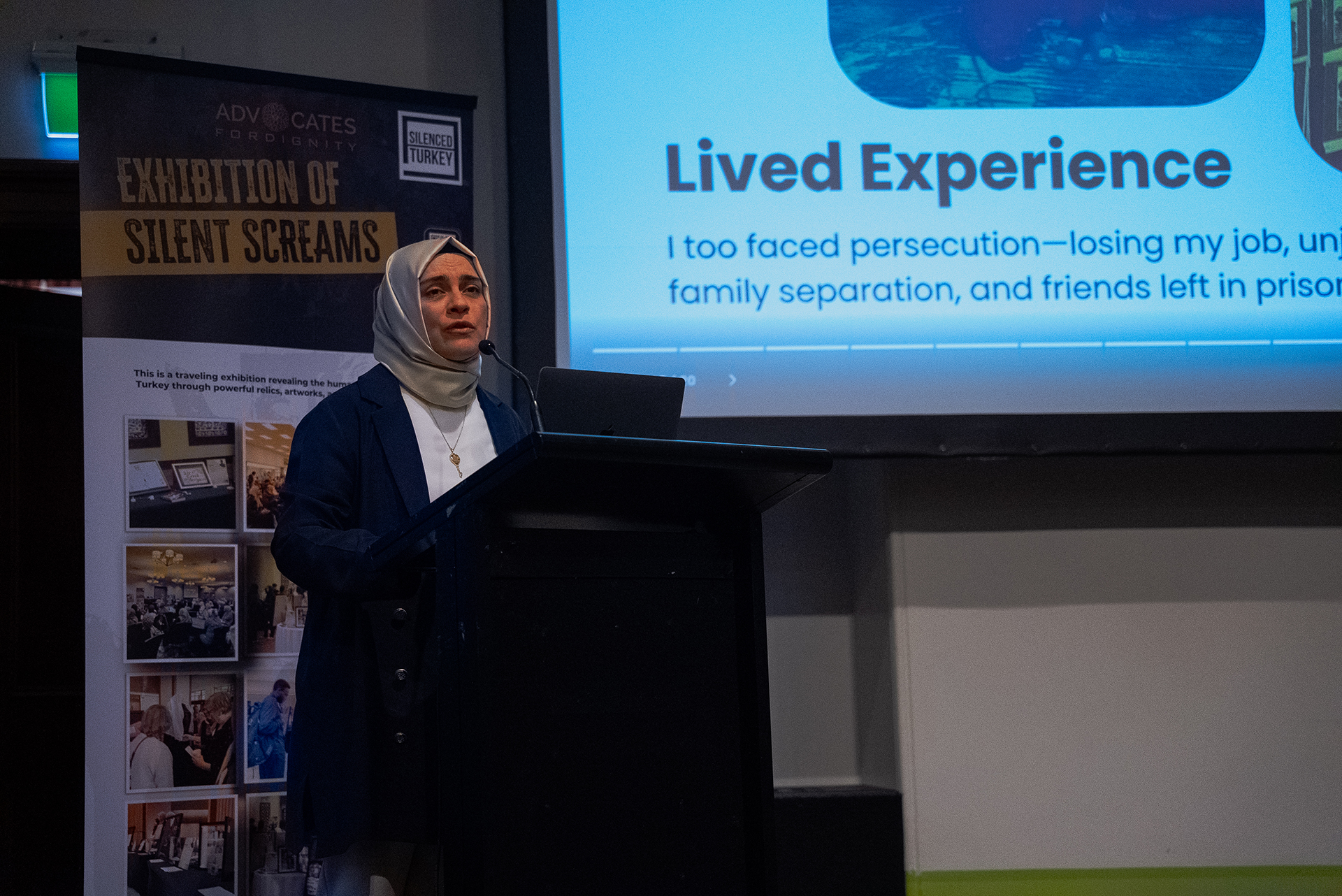
Assistant Curator of the exhibition, Myra, explained that the exhibition brings together personal belongings and stories of individuals who have endured human rights violations. “There are many facts, reports and statistics, but violence, repression and oppression don’t live only in numbers — they live inside people,” she said.
She described how prolonged fear reshapes a person’s inner world.
“They shape how a person breathes, how they speak, how they live through the world. Living under constant pressure slowly changes the inner life of a human being.”
Myra spoke of the quiet brutality of psychological violence:
“People learn to lower their voices, censor their thoughts, measure every word, even in their own homes. It teaches the mind that silence is safer than the truth.”
For her, the exhibition is not only about past events but about the human cost of fear becoming a daily companion. “Human dignity is not only about survival. It is about being seen, remembered and witnessed… Sometimes it simply means staying present. Sometimes it means saying: I see you, your pain matters.”
Event Gallery