Comparative Analysis of Different Countries’ Approaches Towards Turkish Asylum Seekers Linked to the Gulen Movement
Comparative Analysis of Different Countries’ Approaches Towards Turkish Asylum Seekers Linked to the Gulen Movement
Turkish government has been targeting dissidents from various ideologies recently. One of these opposition groups, the Gulen Movement, has been the main target since 2013. The supporters of the Movement have been dealing with different strict measures perpetrated directly by the state authorities such as arrest, imprisonment, torture, inhuman and degrading treatment, denial of fair trial, confiscation, passport cancellations and labeling. The actions of the government produced a new group of people who seek asylum in many countries around the world. These asylum seekers have been receiving affirmative responses in many countries, four of which will be explored in this study. This paper will examine the perceptions of four countries, namely the Kingdom of Norway, Canada, the United Kingdom and the United States, towards asylum applications coming from Turkish applicants with links (or alleged links) to the Gulen Movement.
The aim of this policy is to shed light on the current situation of Turkish asylum seekers who have fled from human rights violations and different types of persecution perpetrated by the Turkish government. In addition, this analysis aims to provide more information and guidance for decision makers to understand why the Gulen Movement’s supporters are applying for asylum and seek protection.
Before going into details about refugee status and states’ approaches towards the Gulen Movement’s supporters, it is important to look at the level of human rights recognition and protection within these states. There are many reports regarding human rights and fundamental freedoms around the world, but this paper will briefly mention the data from the latest Freedom in the World 2017 report prepared by the Freedom House as it is one of the most reliable and recent ones.
Freedom House prepares the Freedom in the World report each year which awards countries aggregate scores from 0 to 100 (0 is the least free whereas 100 freest), and also ratings for political rights and civil liberties from 1 to 7 (7 is the least free whereas 1 freest). All the countries mentioned in this study got good scores in these categories. Accordingly, all countries awarded 1, indicating the best results, both for political rights and civil liberties putting them into the category of ‘free’ countries. Norway’s aggregate score – together with Finland and Sweden – is 100. Close to Norway, Canada has got 99 aggregate score ranked right after Finland, Norway and Sweden, and the UK’s score is 95. Lastly, even though a bit lower than the others, the US has got 89 in aggregate score which is a very good score compared to the world.
Regarding the situation of refugees, it must be recalled that three of these states, Norway, Canada and the UK, are parties to the Convention relating to the Status of Refugees (known as the “1951 Refugee Convention”). Norway and Canada incorporated the Convention directly into their national legislation, whereas the UK only refers to it in relevant acts. The US is only party to the Protocol Relating to the Status of Refugees, even so, it means the country undertook most of the obligations in the Convention itself.
The Human Cost of a Decade: Turkey’s Human Rights Records in Numbers, 2016–2026
Ten Years of Human Rights Violations, Political Persecution, and the Erosion of Democracy in Turkey This report by Ad...
Read More
Systematic Torture and Impunity in Türkiye: 2016–2025
A comprehensive AST report documenting torture, ill-treatment, medical neglect, and impunity in Türkiye from 2016 to 202...
Read More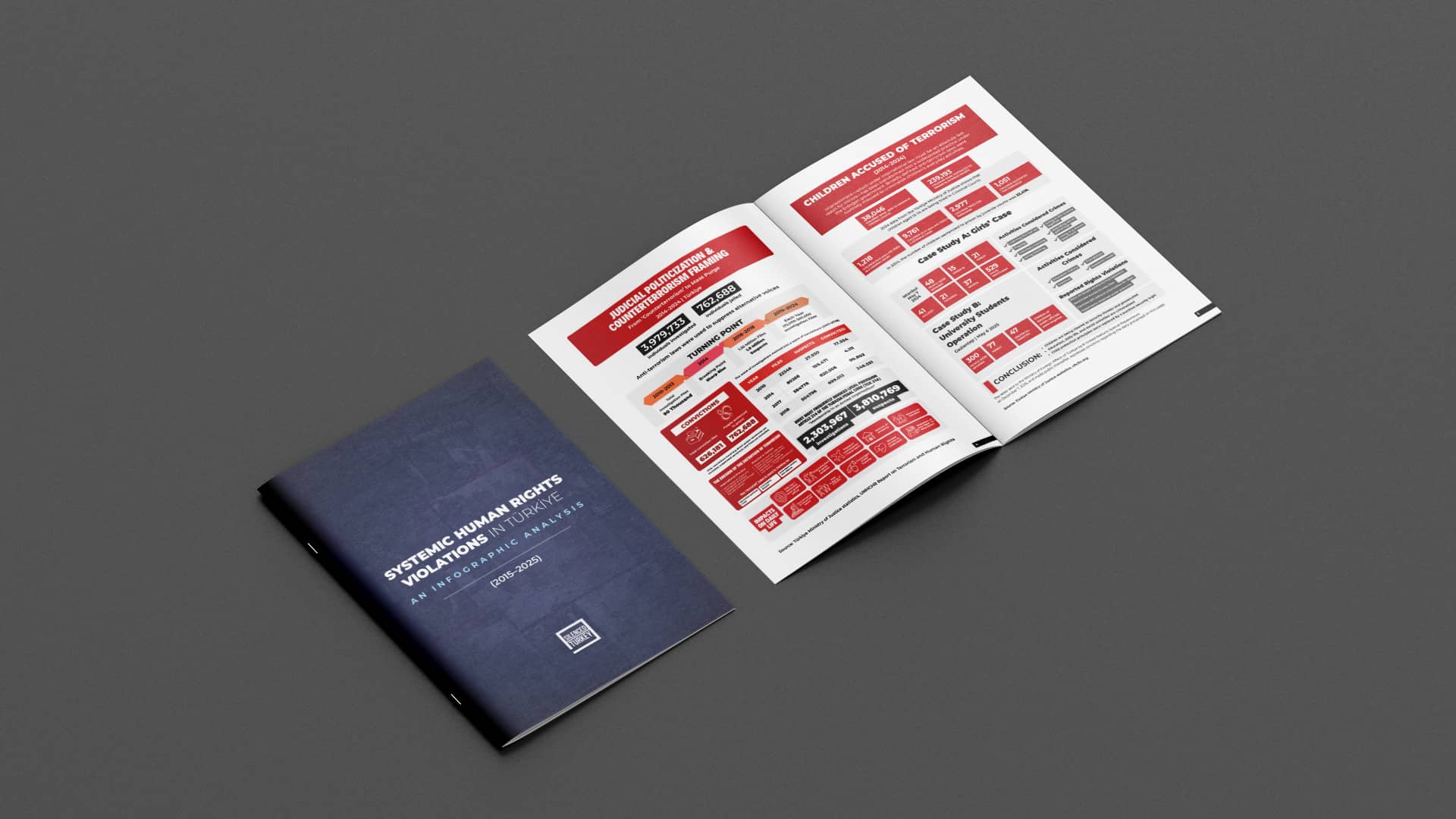
Systemic Human Rights Violations in Türkiye: An Infographic Analysis (2015–2025)
This infographic booklet presents a comprehensive overview of systemic human rights violations in Türkiye between 2015 a...
Read More